
How to Pack Fragile Items Safely for Moving: Expert Tips and Step-by-Step Guides
Packing fragile items for a move means protecting objects that break, scratch, or deform under shock and pressure, and doing so reduces replacement costs, stress, and time spent on insurance claims. This guide teaches how to select the best packing materials, wrap and box glassware and fine china, safeguard electronics and artwork, and decide when to hire professional fragile packing services. You will learn the essential supplies—like double-walled boxes, dish pack dividers, bubble wrap, packing paper, and corner protectors—plus specific step-by-step techniques for stemware, plates, TVs, and mirrors. The article also outlines when professional help makes sense and provides a printable moving checklist to prioritize pre-packing, day-of loading, and unpacking tasks. Throughout, keywords such as fragile packing, glassware packing, china packing, and fragile items moving checklist are used to match practical search intent and help you act confidently before, during, and after your move.
What Are the Essential Packing Materials for Fragile Items?
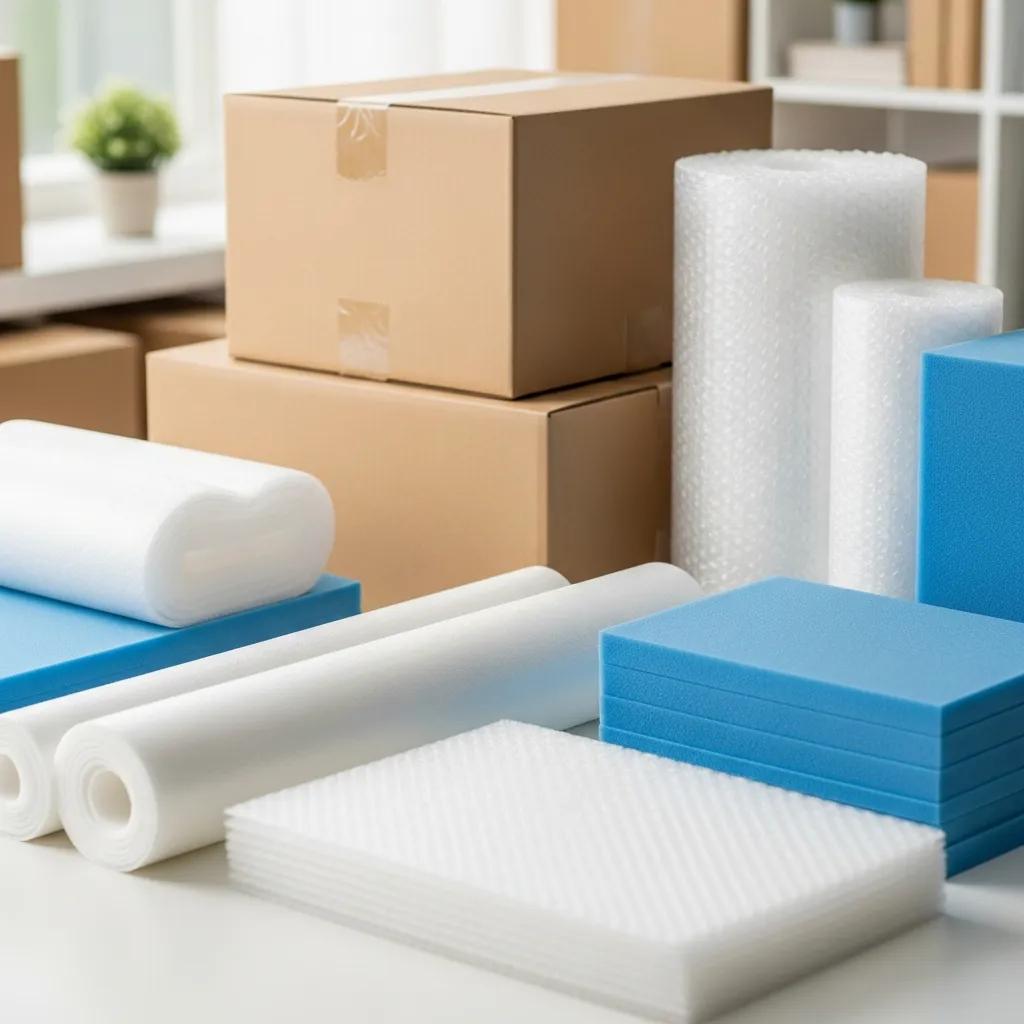
Essential packing materials form a layered system of protection: an appropriately strong box to resist compression, internal cushioning to absorb shock, and secure sealing and labeling so handlers know how to treat the box. Choosing the right materials reduces shear and compression forces during transit and minimizes movement that causes breakage. The following list summarizes core supplies and their primary uses to guide purchases and reuse strategies.
- Double-walled boxes: Best for heavy or dense fragile items that need extra sidewall strength.
- Dish pack boxes with dividers: Best for clustered glassware and plate sets to isolate items.
- Bubble wrap (large and small bubbles): Best for high-impact cushioning around shapes and edges.
- Packing paper and kraft paper: Best for filling voids and wrapping delicate surfaces to avoid abrasion.
- Foam sheets and corner protectors: Best for flat, framed, or square items to prevent edge damage.
- Packing tape and plastic shrink-wrap: Best for sealing boxes and stabilizing furniture or grouped items.
- Permanent markers and fragile labels: Best for clear handling instructions to movers and loaders.
This set of materials balances protection and cost while offering options for sustainable choices like reusable foam or kraft over single-use plastics. Understanding each material’s protective mechanism leads directly to specific packing techniques for glassware and china, which we cover next.
Introductory comparison of common materials and their trade-offs follows to help you match supplies to the items you own.
| Material | Protection Level | Best Use Case |
|---|---|---|
| Double-walled corrugated box | High | Heavy dish sets, large glassware, small appliances |
| Dish pack with dividers | High | Assorted stemware and plate sets for vertical packing |
| Bubble wrap (large bubbles) | Medium-High | Cushioning around fragile contours and bases |
| Packing paper (kraft) | Medium | Wrapping, padding, and void fill with low abrasion |
| Foam sheets / corner protectors | High | Mirrors, framed art, tabletops, and sharp edges |
| Shrink-wrap / stretch film | Low-Medium | Stabilizing grouped items like sofa cushions or chair legs |
This table clarifies trade-offs: heavier corrugated solutions increase weight but dramatically reduce punctures, while paper is lighter and eco-friendlier but needs layering for high-impact items. The next subsections explain which supplies are best for glassware and how to choose specialty boxes.
Which Packing Supplies Best Protect Glassware and China?
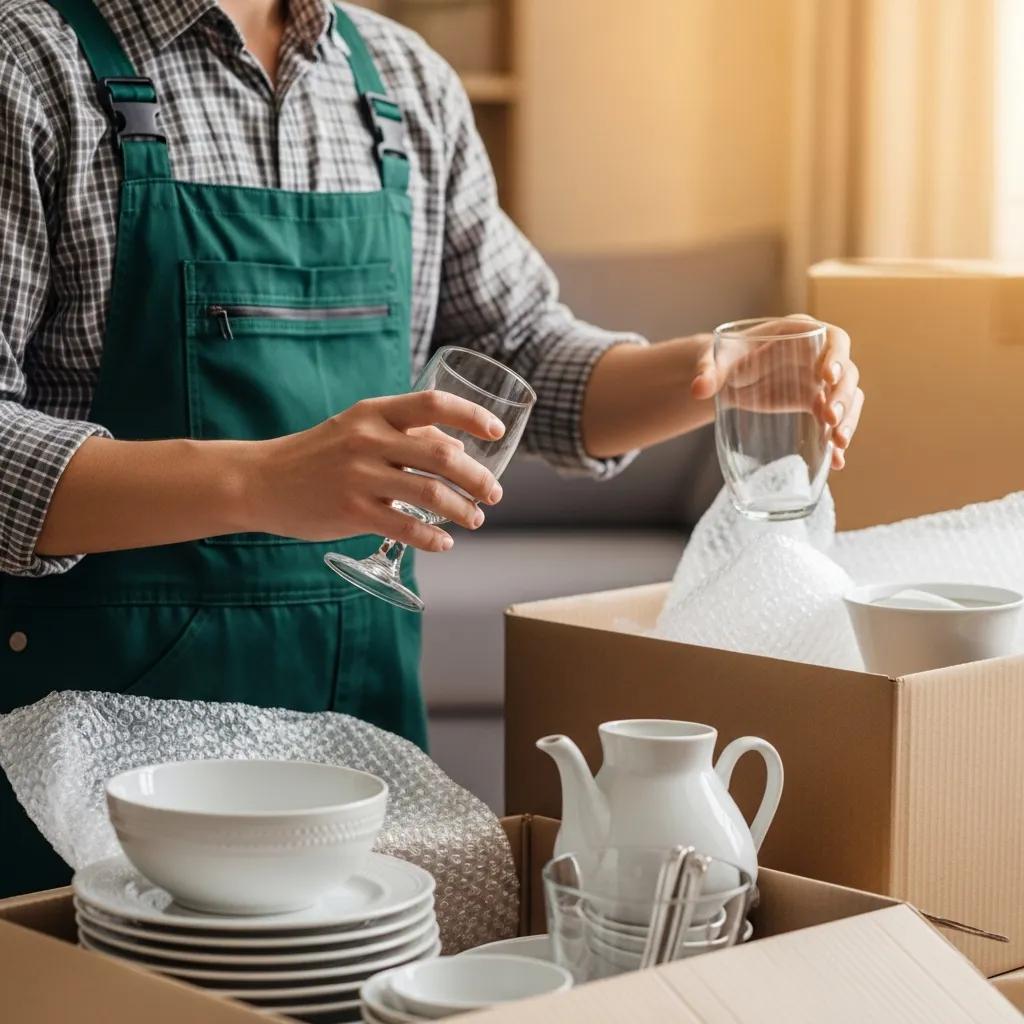
Glassware and china require both surface protection and structural isolation to prevent point-loading and collision damage during a move. Wrap each item first with a protective layer—use acid-free packing paper for fine china and a layer of bubble wrap for glass with delicate rims or stems. For stemware, add extra padding around the stem and base, and place glasses upright in dish pack dividers so each piece has its own compartment; for plates, use vertical stacking inside compartmentalized boxes with foam or paper separators to avoid direct face-to-face contact. Fill voids with crumpled packing paper or foam peanuts to prevent shifting, and seal boxes firmly while labeling them “Fragile — This Side Up” to reduce mishandling. Choosing the right thickness—single vs double wrap—depends on item value and longevity, so use multiple protection layers for antiques or irreplaceable sets.
These specific choices lead directly to selecting specialty boxes and cushioning, which determines long-term stability during loading and transport.
How to Choose Specialty Boxes and Cushioning Materials for Fragile Items
Selecting boxes and cushioning depends on weight, shape, and value; always read box strength ratings and choose double-walled or dish pack boxes for heavy, flat, or high-value items. Double-walled boxes resist compression from stacking, while dish packs and foam-lined specialty boxes add internal structure to isolate items and reduce contact points. For oddly shaped objects, consider custom foam inserts or corrugated dividers that match the silhouette and distribute loads evenly. When cost and sustainability matter, reusable rigid plastic crates or recycled corrugated options can offer repeated protection with lower environmental impact. Finally, measure the item and leave at least two inches of cushioning on all sides to account for sudden impact and to maintain a consistent padding envelope.
Understanding the structural integrity of these boxes is crucial, as research highlights how their performance can decline under crushing forces.
Impact of Crushing on Double-Walled Box Performance
Moreover, it demonstrates numerically how much the performance of double-walled boards declines if particular levels of crushing are obtained and how significant this effect is.
Crushing of double-walled corrugated board and its influence on the load capacity of various boxes, T Gajewski, 2021
After you choose materials, the next major step is applying step-by-step techniques to glassware packing to translate those selections into safe boxes.
How to Pack Glassware Safely for Moving: Step-by-Step Techniques
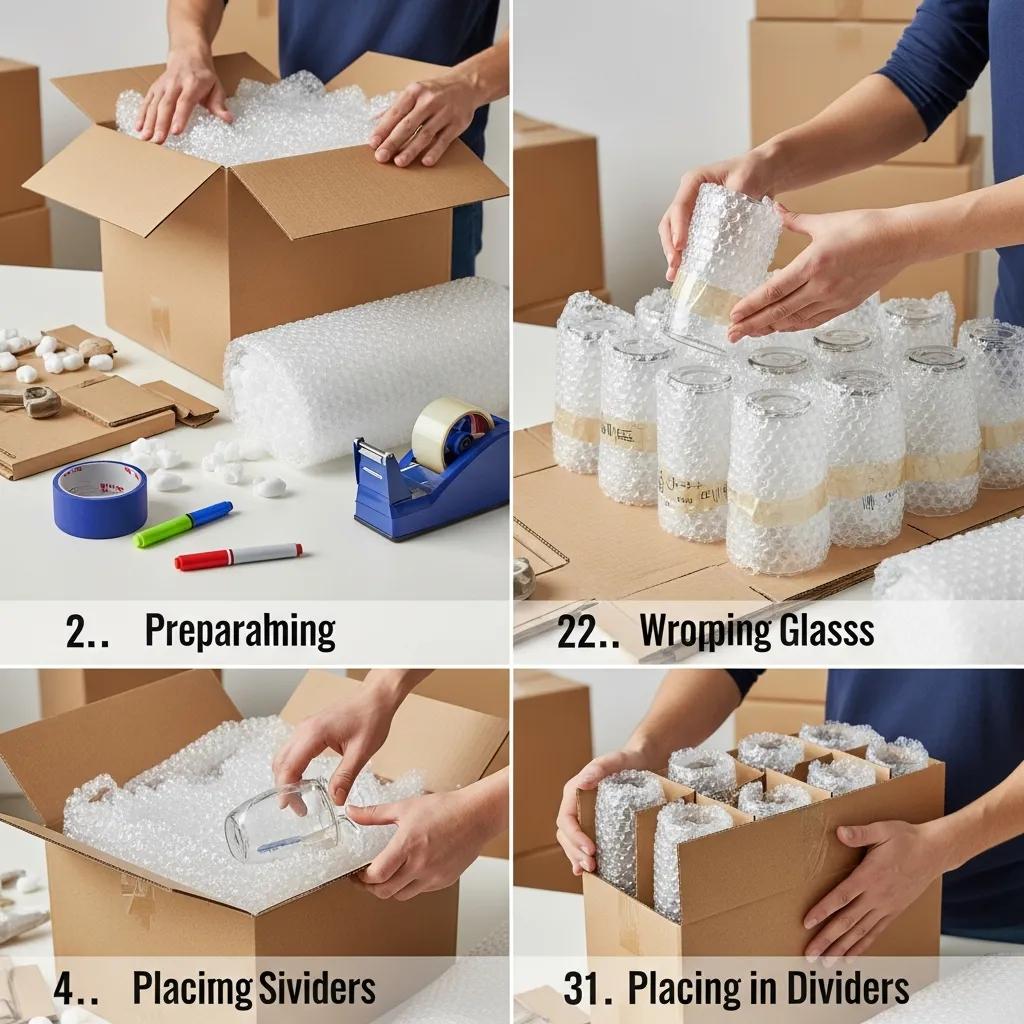
Packing glassware safely involves a clear sequence: prepare the box base, wrap each item properly, orient and place items to minimize shear, then fill voids and label the box. This sequence prevents common failure modes like stack crushing, stem breakage, and abrasion during transit. The steps below map actions to protective outcomes so you can follow the method reliably for stemware, everyday glasses, and collectibles.
- Prepare the box base with cushioning — Use a 2–3 inch layer of crumpled packing paper or foam at the bottom to absorb impact.
- Wrap each glass individually — Wrap bowl first, then stem, then base for stemware; secure with tape so wraps don’t loosen.
- Place glasses upright in dividers — Vertical orientation reduces lateral shear; use dish pack dividers to separate units.
- Fill all voids — Crumpled paper, foam, or bubble fill should prevent sliding and dampen shocks.
- Label and orient boxes clearly — Mark “Fragile” and “This Side Up” and note contents for careful handling.
These numbered steps pair a precise action with a reason, creating a how-to pattern that’s easy to follow and optimized for featured snippet appearance. Implementing these steps depends on detailed wrapping techniques for specialized glass types, which follow.
What Are the Best Methods to Wrap and Cushion Stemware and Everyday Glasses?
The safest method for stemware is a three-stage wrap that begins at the bowl and proceeds down the stem to the base, creating a tight cushioning sleeve that prevents stem bending and breakage. Start with a layer of tissue or thin packing paper around the bowl, add a roll of bubble wrap covering the stem, and secure the wrap with a small piece of tape. For everyday glasses, a single tight wrap of kraft paper followed by a quick bubble wrap sleeve balances protection and material use. Use dividers or separate compartments so stems do not touch; if dividers are unavailable, bundle glasses in pairs with opposing orientation and an extra sheet of foam between them. Reinforcing the weakest points—like stems—and using internal separators will significantly reduce breakage risk during loading and in transit.
Applying these wrapping methods, the next consideration is how to arrange and load glassware boxes in the moving vehicle for minimal movement and stacking stress.
How Should Glassware Be Arranged and Loaded to Prevent Damage?
Arrange glassware boxes on top of heavier, stable boxes and never beneath heavy furnishings to avoid crushing; keep fragile boxes to the truck’s interior where movement is minimized. Place boxes upright, avoid stacking fragile boxes more than two high, and use straps, tie-downs, or non-slip blankets to secure them against sliding. Distribute weight evenly across the vehicle floor and keep fragile zones away from doors or high-traffic compartments to reduce accidental knocks during loading and unloading. For long-distance moves, add an extra layer of internal bracing—such as cable ties around grouped dividers—to prevent shock transfer over rough roads. These placement decisions connect directly to best practices for china and fine dishes, which require different stacking logic.
How to Pack China and Fine Dishes for Moving Without Breakage
Packing china and fine dishes combines layering, edge protection, and stacking orientation to avoid concentrated stresses and abrasive surface contacts. Plates and bowls resist compression poorly along flat faces, so place plates vertically edge-to-edge in dish packs or specialized plate boxes; bowls and platters may be nested but require full wrapping between pieces. Use acid-free packing paper to avoid surface marking on fine glazes, and add thin foam sheets between stacked items where slight overlap is unavoidable. Proper documentation—photographs and inventory lists—helps with claims and confirms pre-move condition for antique or high-value sets. These core practices reduce the chance of chips, cracks, and surface scratches throughout handling and transport.
Next we examine how to wrap plates and bowls specifically, then address extra care for antiques.
What Are the Proper Wrapping and Stacking Techniques for Plates and Bowls?
Wrap each plate individually with packing paper and place it vertically in a dish pack; vertical stacking moves compressive loads to the edges where ceramic can better resist them. For bowls and platters that nest, separate layers with foam sheets or multiple paper wraps to prevent glazing abrasion, and avoid overfilling the box to reduce lateral pressures. Use smaller boxes for heavy plates to keep box weight manageable and reduce the risk of crushing when stacked during transit. Seal and label boxes by contents and room so unpacking follows a safe priority and damage inspection is straightforward. These stacking rules naturally lead to special handling for antiques and delicate heirlooms, which often need stronger documentation and protection.
How to Handle Antique and Delicate China During Packing and Transport
Antique and delicate china require extra precautions: document condition with dated photos, consider professional appraisal for high-value items, and use additional padding such as custom foam or crating when transport conditions or long distances increase risk. Insure pieces appropriately and pack antiques with multiple redundant protective layers—acid-free paper plus bubble wrap and a custom-fit box—to avoid moisture or temperature-related damage. When possible, transport the most fragile antiques in a climate-controlled portion of a vehicle and keep them with you rather than in general cargo for added oversight. Photographing each piece before packing provides objective proof of condition and assists claims if damage occurs. These special-case steps help determine whether professional services are warranted for your move.
How to Pack Electronics and Artwork Safely for Moving
Electronics and artwork need protection against shock, static, and bending; both require appropriate internal bracing and isolation from vibration and humidity. Use anti-static wrap for sensitive electronic circuit boards, foam-lined TV boxes for flat panels, and custom crates with corner protection for framed art and mirrors. Always remove batteries from devices, secure loose parts in labeled bags, and tape cords to the device or box to prevent tangling or damage. For artwork, protect the face with glassine, use corner protectors, and transport large flat pieces vertically with rigid supports to avoid flexing. These device- and media-specific precautions lower the chance of both mechanical and electrical damage during a move.
The importance of antistatic packaging for electronics, particularly to prevent damage from electrostatic discharge during transit, is well-documented in scientific literature.
Antistatic Packaging for Electronic Component Protection
Antistatic packaging is largely used in the electronic industry to avoid damage in electronic components caused by electrostatic discharge (EDS), generated by friction during storage and transportation processes. Antistatic packages are commonly produced with electrically insulating polymeric matrices, indicating the need for the use of antistatic agents to impart dissipative properties to these materials and to permit the conduction of electrons through their structures.
Carbon-based materials as antistatic agents for the production of antistatic packaging: a review, EGR dos Anjos, 2021
The following subsections provide checklists for electronics and stepwise protection for framed art and mirrors.
What Are the Best Practices for Packing TVs, Computers, and Small Appliances?
Whenever possible, pack electronics in their original boxes with original foam inserts; if originals are unavailable, use foam-lined TV boxes or double-walled boxes with at least two inches of padding on all sides. Wrap screens with a soft, lint-free layer like glassine or microfiber before adding bubble wrap to avoid scratches, and place items upright to maintain designed airflow and avoid pressure on screens. For computers, back up data, remove batteries, tape down moving parts, and place cables in labeled bags taped to the inside of the box. Small appliances should be drained, cleaned, and wrapped; secure moving elements like knobs and trays with tape and padding. Clear labeling and an accessories bag attached to the device simplifies reassembly and reduces the risk of lost components during unpacking.
These appliance and electronics practices transition directly to framed art and mirror protection, which demand different orientation and crating considerations.
How to Protect Framed Art, Canvases, and Large Mirrors During a Move
Protect framed art by placing a layer of glassine or face-protection on the artwork surface, followed by cardboard or foam board and corner protectors to prevent impact at vulnerable points. For canvases, stretch a breathable cover and avoid plastic that traps condensation; transport canvases vertically and avoid placing them face-to-face without rigid separators. Large mirrors should be crated or placed in mirror-specific boxes with corner pads and rigid backing, and always carried upright to avoid flexion. For especially valuable pieces, professional crating provides the strongest protection and reduces vibration and crushing risks during long-distance moves. Properly securing and orienting artwork reduces stress on frames and glass, connecting to the broader decision of when to hire professionals for fragile items.
When Should You Hire Professional Fragile Item Packing Services?
Yes — hiring professional fragile item packers is advisable when items are high-value, numerous, antique, or when moves are long-distance moves or require specialized crating. Professionals reduce risk through trained packers, custom materials, and insured transport; they also save time and reduce the stress of coordinating complex packing tasks. Consider professional help when the volume of fragile goods overwhelms available time, when specialized materials (custom crates, foam inserts) are required, or when liability and insurance coverage for valuable items is necessary. The decision balances the cost of service against replacement value, sentimental worth, and the logistical complexity of the move. Whether it’s a local move or a long-distance relocation, understanding service options is key.
Your Hometown Mover offers professional packing expertise and customizable packing options (full, partial, self-pack), provision of quality materials and protection (discounted packing supplies, TV protection with foam-lined boxes, free shrink-wrap for sofas), stress-free unpacking services, a MoveMatch Best Price Guarantee (match or beat competitor prices), and is licensed and insured. This suite of services means customers can choose full-service packing where professionals take responsibility for wrapping, boxing, and labeling; partial pack options when homeowners want to handle some items themselves; or self-pack support where the company supplies materials and guidance. That choice framework helps determine the right level of service based on cost, time constraints, and the fragility of belongings. When value and complexity justify the expense, professional packing often prevents the far higher cost of replacing antiques or specialized electronics.
Before comparing service options in detail, the next table outlines typical service packages to help you decide which level of professional support fits your situation.
| Service Option | What It Includes | Typical Use Case |
|---|---|---|
| Full pack | Trained packers wrap, box, label, and inventory all fragile items | Long-distance moves, full household relocations, high-value collections |
| Partial pack | Packers handle only high-value or fragile collections while owners pack basics | Moving select antiques or electronics while retaining DIY control |
| Self-pack support | Company provides materials, guidance, and optional pick-up | Budget-conscious moves where homeowner packs under professional guidance |
This table clarifies how service options map to needs and budgets; choosing the appropriate option reduces damage risk and streamlines the moving timeline.
What Are the Benefits of Using Expert Packing Services for Valuable Items?
Your Hometown Mover offers professional packing expertise and customizable packing options (full, partial, self-pack), provision of quality materials and protection (discounted packing supplies, TV protection with foam-lined boxes, free shrink-wrap for sofas), stress-free unpacking services, a MoveMatch Best Price Guarantee (match or beat competitor prices), and is licensed and insured. Expert services add clear benefits: trained packers use consistent techniques that lower breakage rates and speed up loading, specialized materials provide better shock absorption and fit, and insurance backing simplifies claims if damage occurs. Professionals also create organized inventories and label systems that make unpacking more efficient and reduce time spent searching for essentials. For antiques or high-value electronics, professionals often recommend custom crating and provide documentation that supports valuation and claims.
This explanation of benefits leads into the specific ways Your Hometown Mover implements those protections in practice.
How Does Your Hometown Mover Ensure Safe Packing and Transport of Fragile Belongings?
Your Hometown Mover offers professional packing expertise and customizable packing options (full, partial, self-pack), provision of quality materials and protection (dish packs, foam-lined TV boxes, shrink-wrap for furniture), stress-free unpacking services, a MoveMatch Best Price Guarantee (match or beat competitor prices), and is licensed and insured. In practice, the company pairs trained packers with quality materials—dish packs, foam-lined TV boxes, shrink-wrap for furniture—and documents packed items to maintain chain-of-custody during transit. Licensed and insured operations provide an added layer of reassurance, while a MoveMatch Best Price Guarantee helps clients compare cost-effectiveness without sacrificing protection. Customers who select partial or full packing receive clear inventories and prioritized labeling so unpacking can occur in a controlled, safe order. This operational approach helps owners avoid common packing failures and gives predictable outcomes for fragile possessions.
After assessing when to hire professionals and how they work, the final section provides an actionable moving checklist to prepare and protect fragile items from pre-packing through unpacking.
What Is the Ultimate Fragile Items Moving Checklist to Prepare for a Safe Move?
A prioritized fragile items checklist helps prevent last-minute errors and reduces the chance of damage by sequencing tasks in a clear pre-move timeline. Start with inventory and valuation, gather materials early, decide on professional help if needed, and schedule packing in zones to avoid mixed fragile and heavy-loading. On moving day, control fragile-only zones, label orientation clearly, and oversee loading order; after arrival, unpack fragile items first in a padded space to inspect condition and document any issues for claims. This checklist organizes tasks into pre-packing, packing-day, transport, and unpacking phases so protection is consistent from home to destination.
- Pre-move steps include inventorying, photographing, and deciding which items require professional packing.
- Day-of tasks include setting fragile-only staging areas, verifying packed labels, and supervising loading order.
- Post-move actions include unpacking fragile items first, inspecting for damage, and retaining packing materials for reuse or claims.
These checklist stages lead into concrete pre-packing steps that minimize damage risks and prepare you for the move.
Which Pre-Packing Steps Help Minimize Damage Risks?
Begin by creating a room-by-room inventory that includes photographs and notes on condition, especially for antiques and electronics, to provide baseline documentation for insurance or claims. Declutter to reduce the volume of items to protect, and separate high-value or sentimental pieces for either professional packing or special labeling. Gather quality materials in advance—dish packs, bubble wrap, foam sheets, and tape—and test-fit boxes to ensure proper cushioning margins. Finally, schedule packing in phases so fragile items are packed close to move date to avoid prolonged storage in temporary stacks; this timing reduces opportunities for accidental knocks before loading. These prioritized preparatory steps make packing day more efficient and reduce the likelihood of in-transit damage by controlling variables ahead of time.
With pre-packing prepared, the final subsection covers loading, transport, and unpacking best practices to protect fragile goods through arrival and reassembly.
What Are Key Considerations During Loading, Transport, and Unpacking?
Load fragile boxes into low-movement zones of the vehicle and secure them against sliding with straps or non-slip pads, keeping them away from doors and high-traffic areas to reduce accidental contact. Monitor stack heights and never place heavier boxes on top of fragile ones; use blocking techniques with sturdy boxes to create supportive shelving when needed. During transport, maintain climate awareness for sensitive items—avoid extreme heat or moisture exposure—and if possible, transport the most valuable items in a climate-controlled compartment or your vehicle. On arrival, unpack fragile items first in a clear, padded area, compare photographed pre-move conditions with current state, and document any discrepancies immediately for claims. These transport and unpacking measures complete the protective chain and ensure fragile items arrive and are returned to service safely.
- Inventory and photograph valuables before packing.
- Pack prioritizing fragile-only boxes and proper labeling.
- Load fragile boxes into secure, low-motion truck zones and unpack them first.
Following this checklist ties back to earlier packing techniques and helps you close the loop on a damage-minimizing moving process.
Frequently Asked Questions
What should I do if I have a large collection of fragile items to pack?
If you have a large collection of fragile items, it’s essential to approach packing methodically. Start by categorizing items based on their fragility and value. Consider using professional packing services for high-value or antique pieces, as they have the expertise and materials to ensure safe transport. For DIY packing, gather quality materials like bubble wrap, packing paper, and sturdy boxes. Create an inventory list to keep track of items and their condition, and pack in phases to avoid overwhelming yourself.
How can I ensure my fragile items are insured during the move?
To ensure your fragile items are insured during a move, first check with your moving company about their insurance policies. Many companies offer basic coverage, but you may need to purchase additional insurance for high-value items. Document the condition of your fragile belongings with photographs and an inventory list before the move. This documentation will be crucial for any claims you may need to file in case of damage. Additionally, consider getting a rider on your homeowner’s insurance for extra protection during the move.
What are the best practices for labeling fragile boxes?
Labeling fragile boxes clearly is vital for ensuring careful handling. Use bold, large fonts to write “Fragile” on multiple sides of the box, and include arrows indicating the correct orientation (e.g., “This Side Up”). You can also use color-coded labels to differentiate fragile items from non-fragile ones. Additionally, include a brief description of the contents on the label to help movers understand the box’s contents and handle it accordingly. This practice minimizes the risk of mishandling during transport.
How can I protect my fragile items from temperature changes during the move?
To protect fragile items from temperature changes during a move, consider the time of year and the climate conditions. If possible, transport sensitive items in a climate-controlled vehicle or your personal car. Avoid leaving fragile items in a hot or cold vehicle for extended periods. Use insulating materials, such as blankets or bubble wrap, to provide an extra layer of protection against temperature fluctuations. For items like electronics, ensure they are packed in anti-static materials to prevent damage from humidity or temperature changes.
What should I do if a fragile item gets damaged during the move?
If a fragile item gets damaged during the move, first document the damage with photographs and notes. Check your moving company’s insurance policy to understand your coverage options. If you purchased additional insurance, file a claim as soon as possible, providing all necessary documentation, including your inventory list and photographs of the item before and after the move. If the item is valuable, consider consulting a professional appraiser for assistance in determining the item’s worth and the extent of the damage.
Are there specific packing techniques for different types of fragile items?
Yes, different types of fragile items require specific packing techniques to ensure their safety. For glassware, wrap each piece individually with bubble wrap and use dividers in boxes to prevent movement. Fine china should be wrapped in acid-free paper and packed vertically to avoid compression. Electronics need anti-static materials and should be packed in their original boxes if available. Artwork should be protected with glassine and corner protectors, while mirrors should be crated or placed in mirror-specific boxes. Tailoring your packing approach to each item type minimizes the risk of damage.
Conclusion
Packing fragile items safely is essential for minimizing damage and ensuring a stress-free moving experience. By utilizing the right materials and techniques, you can protect your valuables and reduce the risk of costly replacements. Consider professional packing services for high-value or delicate items to further enhance safety and efficiency. Start your journey towards a secure move by exploring our expert packing solutions today.