


Relocating from Massachusetts to North Carolina can be an exciting yet daunting experience. This comprehensive guide aims to provide you with essential insights and practical tips to ensure a smooth transition. You will learn about the reasons for moving, the cost of living differences, job opportunities, and the administrative steps necessary for settling in. Additionally, we will explore how to plan your move effectively and choose the right moving services, including the offerings from Your Hometown Mover, a reliable partner in long-distance relocations. By understanding the key aspects of this move, you can alleviate stress and make informed decisions throughout the process.
Why Move from Massachusetts to North Carolina? Pros, Cons, and Lifestyle Insights
Moving from Massachusetts to North Carolina presents a variety of lifestyle changes, economic opportunities, and challenges. Understanding these factors can help you make an informed decision about your relocation.
How Does the Cost of Living Compare Between Massachusetts and North Carolina?

| Expense Category | Massachusetts | North Carolina |
|---|---|---|
| Housing | High | Moderate |
| Utilities | Above Average | Below Average |
| Transportation | High | Moderate |
This table illustrates that while housing costs in Massachusetts can be steep, North Carolina provides more affordable options, making it an attractive destination for many families and individuals.
What Are the Job Market and Economic Opportunities in North Carolina?
North Carolina boasts a diverse job market with growing industries such as technology, healthcare, and finance. The state has seen steady job growth, making it an appealing choice for job seekers. Key industries include:
- Technology: The Research Triangle area is known for its tech startups and established companies.
- Healthcare: With major hospitals and research institutions, healthcare jobs are abundant.
- Finance: Charlotte is a major financial hub, offering numerous opportunities in banking and finance.
These economic factors contribute to a favorable job market, enhancing the appeal of relocating to North Carolina.
Planning Your Move: Essential Timeline and Checklist for Massachusetts to North Carolina Relocation
Planning your move effectively can significantly reduce stress and ensure a smooth transition. A well-structured timeline and checklist are essential for staying organized.
What Is the Recommended 8-12 Week Moving Timeline?
A recommended timeline for your move from Massachusetts to North Carolina spans 8-12 weeks. Here’s a breakdown of key milestones:
- 8-12 Weeks Before: Research moving companies and obtain estimates.
- 6-8 Weeks Before: Begin packing non-essential items and notify your landlord or real estate agent.
- 4-6 Weeks Before: Confirm moving dates and finalize arrangements with your chosen moving service.
- 1-2 Weeks Before: Pack essential items and prepare for the moving day.
This timeline helps ensure that you stay on track and complete all necessary tasks before your move.
Which Items Should Be Included in Your Massachusetts to North Carolina Moving Checklist?
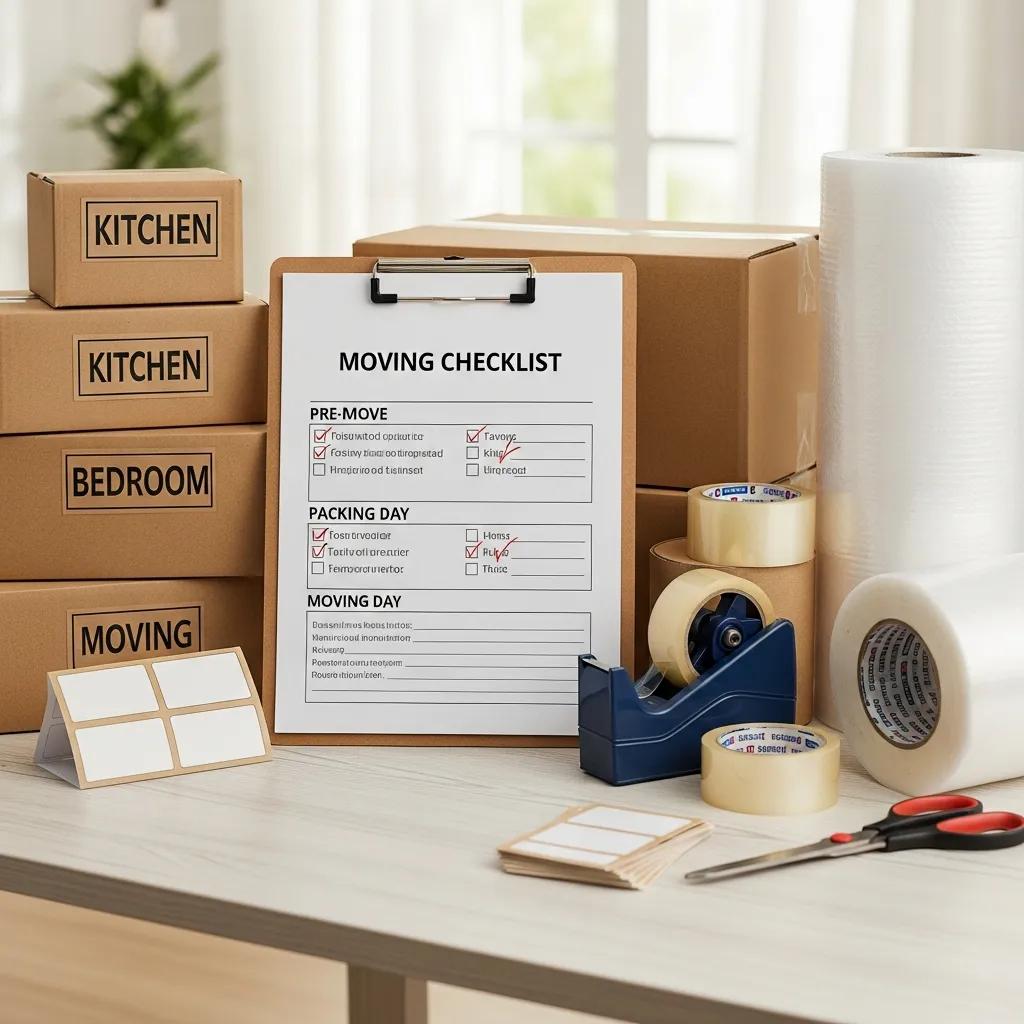
Creating a comprehensive moving checklist is crucial for a successful relocation. Here are essential items to include:
- Packing Supplies: Boxes, tape, bubble wrap, and markers.
- Important Documents: Identification, medical records, and financial documents.
- Utilities Setup: Arrange for electricity, water, and internet services in your new home.
Having a detailed checklist will help you stay organized and ensure that nothing is overlooked during your move.
Moving from Massachusetts to North Carolina: Cost by Home Size
Home size is the biggest single driver of your price, because it sets the crew size, the truck space, and how long loading takes. As a rough guide:
- Studio or 1-bedroom apartment: often shares truck space with other shipments, so it suits a standard delivery window if you can be flexible.
- 2- to 3-bedroom home: usually needs a full crew for most of a day, plus packing help if you’re short on time.
- 4-bedroom home or larger: often needs a dedicated truck and a full packing day before loading.
For an exact number, request a free estimate. Your Hometown Mover quotes long-distance moves at a fixed rate based on your inventory, so the price you book is the price you pay.
What Factors Affect Your Moving Cost Estimate?
Several key factors can impact your moving cost estimate, including:
- Distance: The distance between your current and new home significantly affects transportation costs.
- Volume of Items: The more items you have, the higher the cost for packing and transportation.
- Services Required: Additional services such as packing, unpacking, and storage can increase overall costs.
By considering these factors, you can better estimate your moving expenses and plan accordingly.
How Can You Get an Instant, Transparent Move Estimate?
To obtain an accurate moving estimate, consider using online quote tools provided by moving companies. Your Hometown Mover offers detailed estimates for long-distance moves, ensuring transparency in pricing. You can expect to receive a breakdown of costs based on your specific needs, allowing you to budget effectively for your relocation.
How Long a Massachusetts to North Carolina Move Takes
Boston to Raleigh is roughly 700 road miles, and Boston to Charlotte is closer to 850. The drive takes about two days. Delivery of your household goods depends on the service you choose. Standard long-distance service often combines your shipment with others, so delivery windows can run a week or more. Expedited service moves your belongings directly for a shorter, more predictable window. Book four to eight weeks ahead, especially for summer or the end of the month.
Choosing Movers for Your Massachusetts to North Carolina Move
Selecting the right moving company is crucial for a successful relocation. Here are some tips to help you choose.
What Long Distance Moving Services Does Your Hometown Mover Offer?
Your Hometown Mover specializes in long-distance and expedited moving services. They provide a range of offerings, including:
- Detailed Move Plans: Customized plans tailored to your specific needs.
- Home Protection: Furniture blanket wrap and free shrink-wrap to protect your belongings.
- Live GPS Tracking: Stay updated on your shipment’s location throughout the move.
These services ensure that your move is handled professionally and efficiently.
How Does Expedited Moving Benefit Your Relocation Timeline?
Expedited moving services can significantly reduce the time it takes to complete your relocation. This option is particularly beneficial for those who need to move quickly due to job changes or other urgent circumstances. By choosing expedited services, you can expect faster delivery times and a more streamlined moving process.
Best Cities in North Carolina for People Moving from Massachusetts
Many people moving from Massachusetts look for the same mix of jobs, universities, and culture they had back home, at a lower cost. Popular choices include:
- Raleigh, Durham and Chapel Hill: the Research Triangle, with life sciences, tech, and three major universities. This is a natural fit if you work in the Boston or Cambridge biotech scene.
- Charlotte: the state’s largest city, with a big banking and finance sector and fast-growing suburbs.
- Wilmington: a coastal city with beaches, a historic riverfront, and a smaller-town pace.
- Asheville: a Blue Ridge Mountains city known for its arts scene, breweries, and outdoor life.
- Greensboro and Winston-Salem: the Piedmont Triad, with lower housing costs and easy access to both the mountains and the Triangle.
Key Administrative Steps After Moving to North Carolina from Massachusetts
Once you arrive in North Carolina, there are several important administrative tasks to complete to ensure a smooth transition.
How Do You Transfer Your Driver’s License and Vehicle Registration in North Carolina?
Transferring your driver’s license and vehicle registration is essential after moving. Here’s a step-by-step guide:
- Visit the DMV: Go to your local Department of Motor Vehicles (DMV) office.
- Provide Documentation: Bring your current license, proof of residency, and vehicle title.
- Complete the Application: Fill out the necessary forms and pay any applicable fees.
Completing these steps will ensure that you are legally compliant in your new state.
What Are the North Carolina Tax Implications for New Residents from Massachusetts?
New residents should be aware of the tax implications when moving to North Carolina. The state has a different tax structure compared to Massachusetts, including:
- State Income Tax: North Carolina has a flat income tax rate of 4.75% as of 2024, which differs from Massachusetts’ fixed rate of 5%.
- Property Taxes: Property tax rates vary by county, generally lower than Massachusetts, but it’s important to research your new area.
Understanding these tax implications will help you plan your finances effectively after your move.
Settling into North Carolina: Schools, Housing, and Community Resources for Massachusetts Relocators
As you settle into your new home, it’s important to familiarize yourself with local resources, schools, and housing options.
What Should Families Know About Schools and Education in North Carolina?
North Carolina offers a diverse range of educational opportunities for families. Key points to consider include:
- Public School System: The state has a mix of traditional public schools and charter schools.
- Higher Education: North Carolina is home to several prestigious universities and colleges, including UNC Chapel Hill, Duke University, and NC State University, providing ample opportunities for higher education.
Researching local schools will help you make informed decisions about your children’s education.
How Does the North Carolina Housing Market Compare to Massachusetts?
The housing market in North Carolina is generally more affordable than in Massachusetts. Here are some key comparisons:
- Home Prices: Average home prices in North Carolina are significantly lower, making homeownership more accessible.
- Rental Market: The rental market also offers more affordable options, with a variety of neighborhoods to choose from.
Understanding these differences can help you find suitable housing that fits your budget and lifestyle.