

Professional Movers vs DIY Moving: Which Option is Right for Your Hometown Move?
Choosing between professional movers and a DIY move means weighing cost, time, risk, and control to match your priorities and constraints. This article will give you clear criteria to decide whether hiring professionals or handling your relocation yourself is the better choice, plus concrete cost comparisons, safety considerations, and preparation checklists. You’ll learn what full-service moving typically includes, which hidden costs DIY movers often miss, and scenarios where a self-move makes sense versus when professionals are the safer, more efficient route. The guide maps pricing models, typical expense ranges, and practical tips to reduce cost and stress, followed by an impartial presentation of a local full-service option and its guarantees. By the end you’ll have a decision checklist and actionable next steps to plan a move that fits your budget and timeline while minimizing damage and downtime.
Comparing Professional Movers and DIY Moving: Which is Best?
Professional moving and DIY moving differ primarily in who assumes responsibility for logistics, labor, and risk. Professional movers provide trained crews, equipment, transportation, packing options, and liability coverage, which transfers much of the operational burden away from you. DIY moving means you retain control of scheduling, packing, driving, and physical labor, which can reduce direct costs but increases time commitments and exposure to damage or injury. The principal tradeoffs are cost versus convenience, control versus risk, and time versus expertise; understanding these tradeoffs helps you select the approach that aligns with your priorities. Below we break down what each approach typically includes and the practical tasks you’ll need to manage when you choose a self-move.
What Does Professional Moving Include?
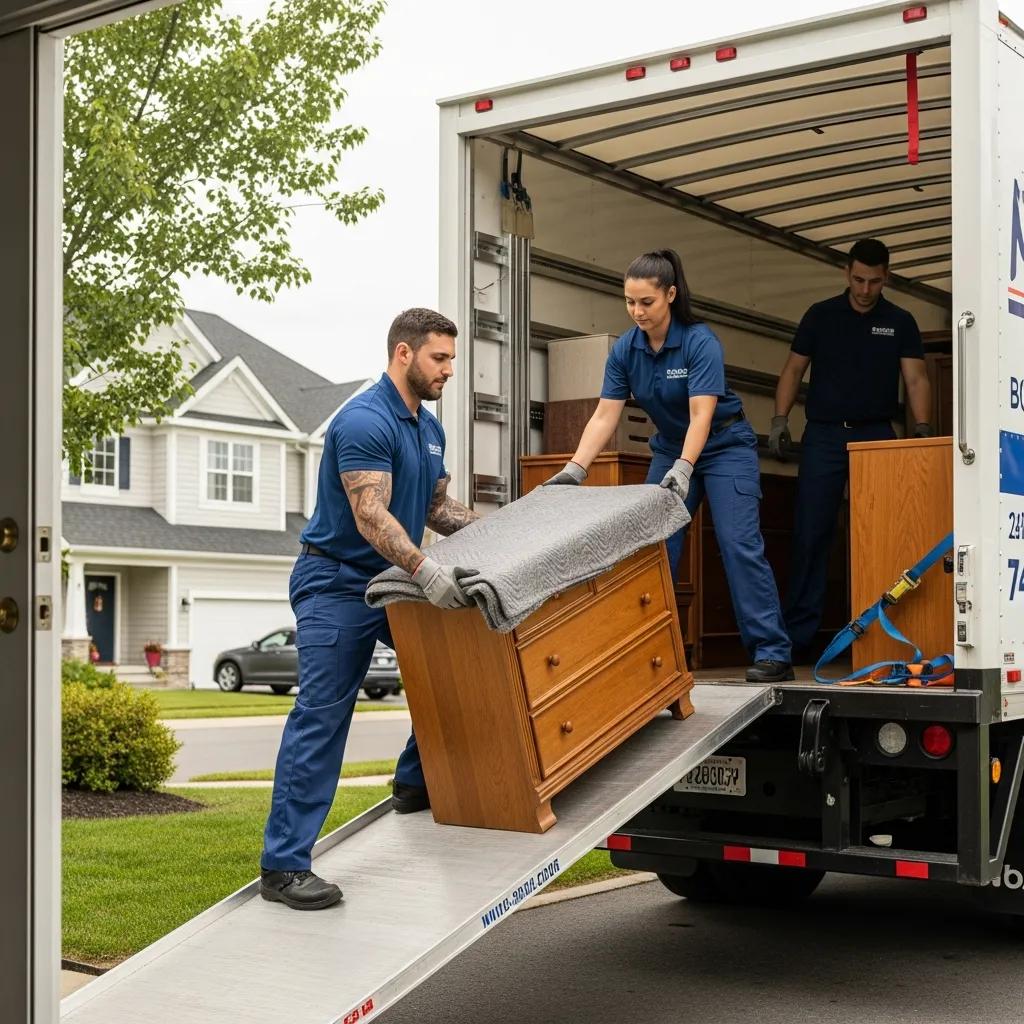
Professional moving generally includes a trained crew that handles packing, loading, transportation, unloading, and basic setup at the destination. Crews use specialized equipment—dollies, straps, furniture pads, and properly sized trucks—to reduce damage risk and speed transit, and many movers offer optional crating, full packing services, and short- or long-term storage. Professional services often incorporate logistics coordination, a move coordinator, and insurance or liability options that cover loss or damage beyond personal policies. These inclusions reduce the hands-on work you must do and shorten total move time, which is particularly valuable for long-distance or large-scale relocations; the next section contrasts those inclusions with the responsibilities of a DIY move.
What Does DIY Moving Entail?
A DIY move requires you to plan and execute packing, secure a rental truck or van, arrange for helpers, and handle driving and unloading logistics yourself, which places the physical and scheduling burden squarely on the mover. You will need moving supplies—boxes, tape, packing paper, padding—and possibly rental equipment like furniture dollies and ratchet straps, and you must manage risk by purchasing rental insurance or verifying your own coverage. DIY approaches give you maximum control over timing and handling but often demand multiple trips, careful load planning, and attention to vehicle restrictions and weight limits. Because these responsibilities concentrate risk and effort on you, many DIY movers underestimate the time and coordination required, which feeds into the cost analysis below.
How Do Costs Compare Between Hiring Movers and DIY Moving?
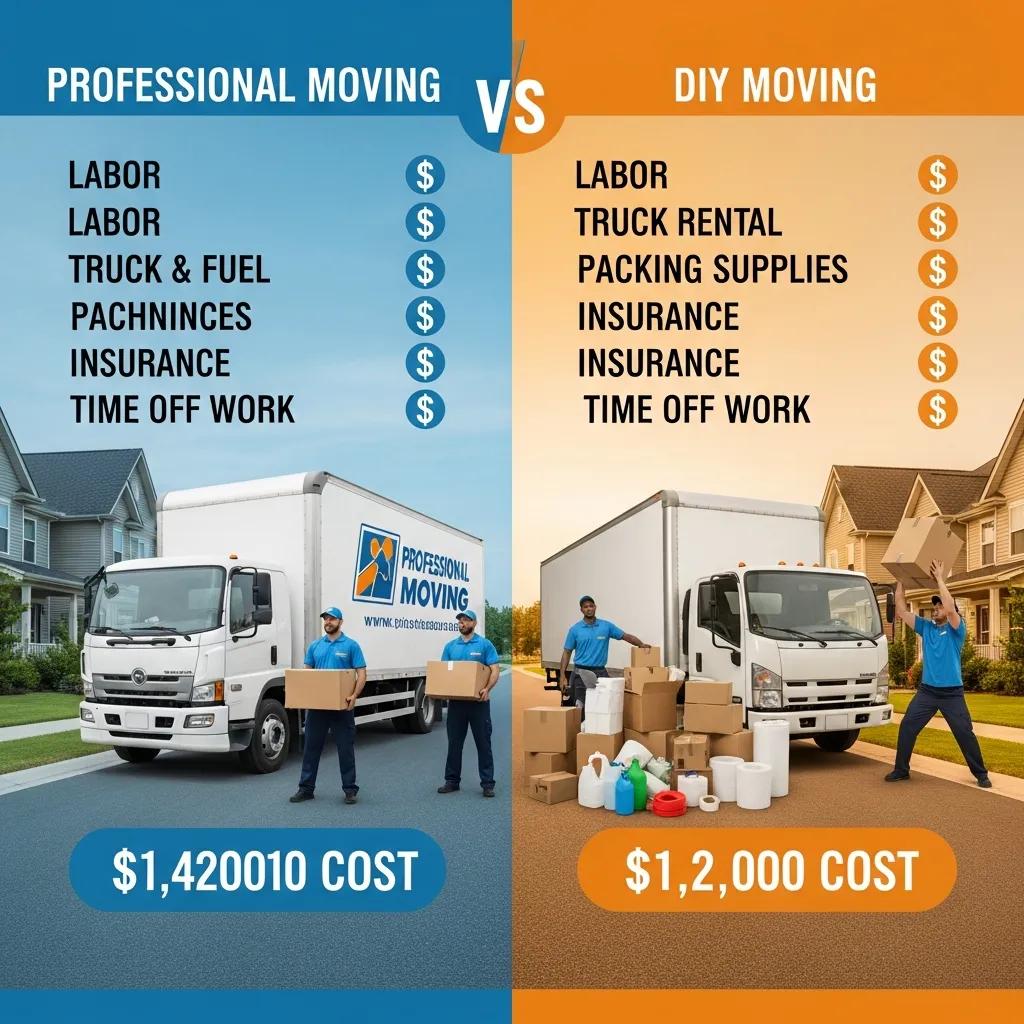
Comparing costs between professional movers and DIY moving requires looking beyond headline fees to include indirect expenses such as time, risk of damage, and insurance gaps. Professional moving prices typically reflect labor, vehicle operation, distance, and optional services like packing and storage; long-distance moves often use weight or distance-based pricing while local moves use hourly or flat rates. DIY moving costs center on truck rental, fuel, moving supplies, time value for labor, and potential rental insurance; hidden costs can include vehicle damage, overtime, missed work, and replacement or repair of damaged items.
Introductory cost comparison table to clarify typical line items and ranges for DIY versus professional moves. Use this table to spot items people often overlook in DIY budgeting.
| Cost Category | DIY Moving (Typical Item) | Professional Moving (Typical Item) |
|---|---|---|
| Vehicle | Truck rental: $50–$150/day depending on size and location | Included in quote (truck operation + fuel) |
| Labor | Friends/family time or paid helpers; implicit cost of hours | Crew labor included; billed hourly or in quote |
| Supplies | Boxes, tape, pads: $50–$300 | Packing supplies often optional/add-on |
| Insurance | Rental coverage add-on or none | Liability/declared-value options included or available |
| Hidden Risks | Damage repair, lost time, multiple trips | Damage claims handled via mover’s claims process |
This comparison shows how DIY apparent savings can erode when accounting for risk and time; the following subsections quantify those line items in more detail.
What Are the Typical DIY Moving Costs?
DIY moving costs center on truck rental, fuel, supplies, and the opportunity cost of your time, and realistic budgeting must include these elements to avoid surprises. Truck rental rates vary by vehicle size and market but often run from modest daily fees to higher weekend or one-way charges; fuel and mileage add variable costs, and supplies such as boxes, padding, and straps can total a few hundred dollars for a typical three-bedroom move. Many DIY movers also incur soft costs: lost wages for time off, additional trips for oversized items, and potential repair or replacement costs if items are damaged during handling or transit. When you add these indirect costs to raw rental numbers, the apparent savings shrink, which is why some homeowners choose professional services that bundle labor, equipment, and insurance into a single proposal.
How Does Professional Moving Pricing Work?
Professional movers price moves based on a few common models: hourly rates for local moves, and weight-plus-distance or fixed quotes for long-distance relocations, with optional add-ons for packing, crating, and storage. A professional quote should break down labor, truck use, fuel, and any extras so you can compare apples-to-apples; declared value and insurance choices also influence final cost and liability exposure. When evaluating bids, compare inclusions (packing, materials, elevator or stair fees) and ask whether the price covers fuel and access challenges; transparent quotes reduce later surprises.
Understanding the underlying economic models helps clarify how professional moving services structure their pricing to reflect value and capacity.
Professional Moving Service Pricing Models
1. The capacity and value-based pricing (CVBP) model for professional services was derived out of a need for a new way to think about how professional service ‘products’ should be priced in a competitive marketplace. Moving away from ‘cost-plus’ pricing, the CVBP model attempts to incorporate the ‘stand-alone’ value of a service, along with other variables, to arrive, systematically, at a set of improving prices. A multinomial logit model is used to model the discrete choice decision making. The model and its output can be used in negotiating services contracts, increasing profits, and smoothing demand.
Capacity and value based pricing model for professional services, L Wynter, 2008
For readers weighing cost versus value, consider financing and price-match programs as a way to shift the upfront burden of professional services while preserving their risk-reduction benefits. MoveMatch Guarantee and Move Now, Pay Later financing can alter immediate cost comparisons and lower barriers to choosing professionals.
What Are the Benefits of Hiring Professional Movers?

Hiring professional movers delivers predictable logistics, trained handling, and time savings that reduce overall move stress and exposure to damage. Professionals bring expertise in packing fragile items, disassembling and reassembling furniture, and optimizing truck loads to minimize trips and prevent shifting; these practices protect belongings and speed the process. Additionally, professional teams use proper equipment and can provide storage, junk removal, and comprehensive packing services as part of a full-service move, which simplifies coordination and ensures continuity across multiple move phases. Below is a concise list of core benefits that typically motivate people to hire professionals.
Professional moving provides several clear benefits that extend beyond simple convenience:
- Time Savings: Experienced crews complete packing and loading tasks far faster than untrained helpers.
- Reduced Damage Risk: Trained handling, protective materials, and proper equipment lower breakage and wear.
- Coordinated Logistics: Move coordinators and vetted teams handle scheduling, permits, and access issues.
These benefits show why professional services are often a better choice for complex or long-distance moves; the next paragraphs provide concrete examples of how pros deliver these advantages.
Introductory table to show included services and attributes professional movers typically offer, making it easier to see where value comes from.
| Service Component | Typical Professional Inclusion | Benefit |
|---|---|---|
| Packing | Full-service packing available | Saves time and ensures consistent protection |
| Equipment | Dollies, straps, pads, owned trucks | Reduces damage and streamlines loading |
| Labor | Trained, vetted crews | Faster, safer handling and accountability |
| Storage & Junk Removal | Optional storage and removal services | Flexibility and less clutter during transition |
This table illustrates that many value-driving attributes—like equipment and included labor—are part of professional offers and can offset higher upfront costs through saved time and reduced replacement expenses.
How Do Professional Movers Save You Time and Effort?
Professional movers accelerate every phase of a relocation by applying standardized processes, experienced sequencing, and teamwork that reduce hours spent on packing and loading. A trained crew can pack a room in a fraction of the time it takes untrained helpers, and crews stage items on the truck to minimize loading/unloading cycles, which is particularly valuable for moves with limited access or tight schedules. Time savings also translate into reduced indirect costs—less missed work, fewer rental days, and lower stress—so the move finishes sooner and with fewer logistical headaches. Knowing this efficiency advantage helps homeowners decide when paying for experience yields measurable returns in time and convenience.
How Do Professional Movers Ensure Safety and Reduce Damage Risks?
Professional movers reduce damage risk through training, protective materials, and careful handling procedures that protect fragile items and heavy furniture during transit and lifts. Common protective measures—furniture blankets, shrink-wrap, straps, and custom crating—mitigate common damage causes like shifting in transit or abrasion during loading, and movers follow lift techniques that lower injury risk to workers and homeowners. Professionals also provide claims processes and liability options that clarify recourse in case of loss, and confirming insurance and coverage levels before booking safeguards expectations. These protections matter most for high-value items or complex moves where repair or replacement would be costly.
What Are the Disadvantages and Risks of DIY Moving?
DIY moving shifts all responsibility to you and your helpers, increasing physical and coordination demands while exposing you to hidden costs and logistical pitfalls. Physical strain from lifting heavy furniture without proper equipment increases the likelihood of injury, and amateur packing often leaves items vulnerable to damage during transit. Time costs escalate when multiple trips or unanticipated delays occur, and resolving damage or transport issues falls on you rather than a company with a claims process. Understanding these downsides helps you decide whether the budget savings justify the added risk and effort for your specific move circumstances.
What Physical and Time Challenges Does DIY Moving Present?
DIY moves demand significant physical effort—lifting, carrying, and loading heavy items—which raises the risk of back injuries and strains without proper technique and equipment. In addition to heavy lifting, DIY movers must invest time in planning routes, loading sequences, and coordinating helpers, which can mean days or weeks of additional work beyond packing boxes. Time estimates for a typical two-bedroom self-move often exceed a full weekend when accounting for vehicle pickup/dropoff, multiple trips, and cleaning, creating indirect costs like missed work or childcare. Recognizing these time and physical constraints clarifies when a DIY approach is realistic and when professional help is prudent.
What Hidden Costs and Damage Risks Are Associated with DIY Moving?
Hidden DIY costs include rental insurance premiums, potential traffic fines for oversized loads, wear-and-tear on personal vehicles, and unexpected repair or replacement expenses for damaged items. Because DIY movers often lack formal claims processes, recovering costs for damaged belongings can be difficult and slow, and small repairs can quickly exceed initial savings from lower upfront expenses. Additionally, indirect costs such as missed work, extra lodging for long-distance drives, or repeated trips for forgotten items further erode DIY savings. These factors create a risk-adjusted calculus that sometimes makes professional moving the more economical option once you account for full exposure.
When Is DIY Moving a Suitable Choice?
DIY moving is suitable when moves are small, short-distance, low-fixture, and when you have reliable free labor and time flexibility. Scenarios like a studio or one-bedroom apartment with few large items, same-building moves, or very short local hops often favor a DIY approach because truck rental and labor requirements remain minimal. Another consideration is personal value of control—if you prefer to personally oversee every item and have the time to coordinate, a DIY move can be satisfactory. The checklist below helps determine whether DIY is a practical choice for your specific situation.
Checklist to decide if DIY moving fits your situation:
- You have minimal large furniture and mostly boxed items.
- The distance is short and can be completed in one round trip.
- You have capable helpers and access to necessary equipment.
- You are comfortable managing logistics and potential risks.
These criteria make clear when DIY is reasonable; the next section offers scenario mapping to help you apply a practical rule-of-thumb.
Introductory scenario mapping table to help match move types to DIY viability and key considerations.
| Move Scenario | DIY Viability | Key Considerations |
|---|---|---|
| Studio/Small Apt | High | Minimal furniture, single trip possible |
| Same-Building Move | High | Elevator access and short carry distances |
| Three-Bedroom Local | Low | Multiple large items, likely need professional truck |
| Long-Distance Move | Low | Driving logistics and weight-based limits |
This table clarifies that DIY is usually viable for small, local, and simple moves but less suitable for large or long-distance relocations that add complexity and risk.
What Move Scenarios Favor a DIY Approach?
DIY is most sensible for small household moves, short intra-city shifts, and when the inventory is mainly boxes and small furniture that one or two people can handle safely. Moves within the same building or complex often reduce carry distance and truck staging complexity, making rented vans or pickup trucks sufficient and lowering costs significantly. If your estimated total handling time is under a simple threshold—such as a single long day with a clear plan and reliable helpers—DIY can save money without excessive risk. Applying a simple decision rule helps: if the move can be completed in one trip, with no heavy lifts and minimal fragile items, DIY is a practical option.
How Can You Prepare for a Successful DIY Move?
Preparation reduces risk and improves efficiency for DIY movers by emphasizing planning, proper supplies, and safety measures prior to moving day. Reserve the appropriate truck size ahead of time, gather quality packing materials, recruit strong helpers, and plan a staging layout for loading and unloading to minimize handling. Use basic safety gear—gloves, straps, dollies—and confirm rental insurance and vehicle weight limits to avoid surprises; a short run-through of heavy-item paths prevents last-minute obstacles. Thoughtful preparation turns a DIY move from chaotic to organized and reduces the chance that hidden costs will undermine anticipated savings.
Why Choose Your Hometown Mover for Your Relocation Needs?
Your Hometown Mover positions itself as a full-service moving partner that can reduce risk and simplify complex relocations through comprehensive offerings and consumer protections. The company operates across New York (Hudson Valley, Capital Region, NYC) and Florida (Gulf Coast, South Florida) and provides a range of services—local and long-distance moves, expedited long-distance, commercial moves, packing, crating, storage, moving labor, junk removal, and moving supplies—that address common pain points for homeowners and businesses. Credibility signals include licensing and insurance identifiers and industry recognition that reassure customers evaluating professional options. Below we outline key company value propositions and practical benefits for readers considering a professional alternative.
Introductory trust-and-credential table to summarize company-level attributes and what they mean for customers.
| Company Attribute | What It Means | Customer Benefit |
|---|---|---|
| Licensed & Insured | USDOT, MC, NYDOT identifiers | Regulatory compliance and liability transparency |
| Service Coverage | New York and Florida regions | Local expertise and multi-state capacity |
| Full-Service Offerings | Packing, storage, junk removal | One-stop coordination for complex moves |
| Guarantees & Financing | Price-match and pay-later options | Easier budgeting and competitive pricing |
This concise portrait shows how a full-service provider can close gaps DIY movers face, especially for larger moves where coordination and insurance matter most.
How Does Your Hometown Mover’s MoveMatch Guarantee Benefit You?
The MoveMatch Guarantee offers customers a competitive price-match assurance that helps reduce price anxiety when choosing professional services, making it easier to compare value rather than just low headline rates. By promising to match or beat comparable offers under stated eligibility terms, the guarantee reduces the financial downside of selecting a full-service mover and encourages price transparency. For budget-conscious movers, this guarantee combined with financing options can make professional moving feasible without sacrificing protections and service inclusions. Understanding guarantee terms ahead of booking gives homeowners confidence when comparing quotes.
What Comprehensive Services Does Your Hometown Mover Offer?
Your Hometown Mover provides a wide array of services—full packing, crating for delicate items, moving labor-only options, storage solutions, junk removal, and both local and long-distance moving—delivered by owned trucks and vetted employee teams with dedicated move coordinators. Operational differentiators like owned vehicles, vetted crews, and 24/7/365 availability support scheduling flexibility and consistent service quality, while bundled options reduce the need to coordinate separate vendors. The company also offers Move Now, Pay Later financing with 0% APR and a low refundable deposit to ease upfront payment hurdles, plus a MoveMatch Guarantee that aims to ensure competitive pricing for customers seeking professional assistance.
- Full-service packing and crating: Saves time and protects fragile items during complex moves.
- Storage and junk removal options: Simplifies transitions that require temporary holding or decluttering.
- Financing and price-match: Lowers payment friction and supports cost-competitive decisions.
These service features make professional moving more accessible and reduce the coordination burden for complex relocations; if your move includes multiple service needs, a single-provider approach can streamline delivery and accountability.
Frequently Asked Questions
What should I consider when choosing between professional movers and DIY moving?
When deciding between professional movers and DIY moving, consider factors such as your budget, the size of your move, and your physical ability to handle heavy items. Evaluate the time you can dedicate to the move, the complexity of logistics, and the potential risks involved. If you have valuable or fragile items, professional movers may provide better protection. Conversely, if you have a small load and reliable help, a DIY move could be more cost-effective. Assessing these elements will help you make an informed choice.
Are there specific situations where DIY moving is more advantageous?
DIY moving is often more advantageous for small, local moves where the volume of items is manageable. For instance, moving a studio or one-bedroom apartment typically requires less effort and can often be completed in a single trip. Additionally, if you have access to capable friends or family who can assist, and you are comfortable with logistics, a DIY approach can save money. However, ensure that you have the necessary equipment and time to avoid unexpected challenges.
What are the most common mistakes people make when planning a DIY move?
Common mistakes in DIY moving include underestimating the time required for packing and loading, failing to secure adequate transportation, and neglecting to gather necessary supplies. Many people also overlook the importance of planning the logistics, such as the order of loading and unloading. Additionally, not accounting for potential hidden costs, like fuel and rental insurance, can lead to budget overruns. Proper planning and preparation can help mitigate these issues and ensure a smoother moving experience.
How can I ensure the safety of my belongings during a DIY move?
To ensure the safety of your belongings during a DIY move, use high-quality packing materials, such as sturdy boxes, bubble wrap, and packing tape. Label boxes clearly to identify fragile items and handle them with care. Utilize proper lifting techniques and equipment, like dollies and straps, to prevent injuries and damage. Additionally, create a detailed inventory of your items to track everything during the move. Taking these precautions can significantly reduce the risk of damage and enhance the overall safety of your move.
What insurance options should I consider for a DIY move?
When planning a DIY move, consider purchasing rental truck insurance, which can cover damages to the vehicle and your belongings during transit. Additionally, check your homeowner’s or renter’s insurance policy to see if it covers items in transit. If not, you may want to look into moving insurance options that provide coverage for loss or damage. Understanding your insurance options can help protect your investment and provide peace of mind during the moving process.
How can I prepare for a successful DIY move?
Preparation is key to a successful DIY move. Start by creating a detailed moving plan that includes a timeline and a checklist of tasks. Gather all necessary supplies, such as boxes, packing tape, and protective materials, well in advance. Recruit reliable helpers and assign specific tasks to ensure efficiency. Additionally, plan the layout for loading and unloading to minimize handling time. Finally, conduct a walkthrough of your new space to identify any potential obstacles. Thorough preparation can make your DIY move more organized and less stressful.
What are the benefits of hiring a professional moving service over DIY moving?
Hiring a professional moving service offers several benefits, including time savings, reduced risk of damage, and expert handling of logistics. Professionals are trained to pack and transport items safely, minimizing the likelihood of breakage. They also have the necessary equipment and experience to navigate complex moves efficiently. Additionally, professional movers often provide insurance options that protect your belongings during transit. Overall, the convenience and peace of mind that come with hiring professionals can outweigh the cost, especially for larger or more complicated moves.
Conclusion
Choosing between professional movers and DIY moving can significantly impact your relocation experience, balancing cost, convenience, and risk. Understanding the benefits of professional services—such as time savings, reduced damage risk, and expert logistics—reinforces their value for complex moves. If you’re ready to simplify your next move, consider exploring our full range of professional moving services tailored to your needs. Take the first step towards a stress-free relocation today!