


Reliable Long Distance Moving from New York to Florida: Your Complete Guide to Interstate Relocation
Moving from New York to Florida is a major logistical and emotional transition that requires careful planning, realistic budgeting, and the right long-distance mover to execute a smooth interstate relocation. This guide explains what to expect across the timeline of a New York→Florida move, including cost drivers, service options, packing and storage strategies, seasonality and weather considerations, and a step-by-step process for booking and completing a move. You will learn how volume, access, and service level affect price estimates, how expedited long distance moving works when timing matters, and practical preparation tips to reduce stress on moving day. Throughout, the article compares service types such as full-service packing versus DIY approaches, outlines secure storage options, and answers common questions about licensing and expedited delivery. Read on for actionable checklists, clear cost tables, and a numbered moving process that helps you plan a reliable NY to FL relocation with confidence.
What Makes Your Hometown Mover the Best Choice for NY to FL Long Distance Moving?
Reliable movers for NY→FL relocations combine predictable timelines, transparent pricing, and clear consumer protections to reduce uncertainty and time in transit. A trustworthy provider explains how expedited delivery works, offers tracking and liability options, and demonstrates regulatory compliance so customers can verify insurance and licenses. Understanding these trust signals helps you evaluate bids and choose a partner that minimizes time on the road, reduces the chance of damage, and provides financial flexibility for booking. The next paragraphs explain specific company-level value propositions and how each applies to the practical needs of a long-distance move between New York and Florida.
Your Hometown Mover lists the following unique value propositions verbatim for NY→FL relocations: Best Price/MoveMatch Guarantee, 0% APR financing, Expedited Delivery (2-4 days), Live GPS Tracking, Door-to-door full-service, free basic liability coverage up to $10,000, $49 refundable deposit, 400+ 5-star reviews (as reported in SERP). Each element reduces typical pain points for interstate moves: price guarantees lower comparison friction, 0% APR financing spreads payment burden, expedited delivery shortens transit time, GPS tracking gives visibility during transport, door-to-door service removes coordination complexity, and basic liability coverage provides baseline protection while the modest refundable deposit simplifies booking. These features together create clearer expectations and make scheduling and budget planning easier for households relocating between New York regions (Hudson Valley, Capital Region, NYC) and Florida destinations (Tampa, Boca Raton, South Florida, Gulf Coast).
Regulatory and reputation signals also matter when selecting a carrier for interstate moves because USDOT, FMCSA and state registrations require compliance and safety standards. Look for evidence that a carrier is licensed or insured and has strong customer ratings to reduce legal and service risk. Confirming licensing and reputation short-circuits many common post-move disputes and supports faster resolution if incidents occur, which is particularly valuable when goods travel long distances across state lines.
How Does the Expedited Delivery Guarantee Benefit Your Move?
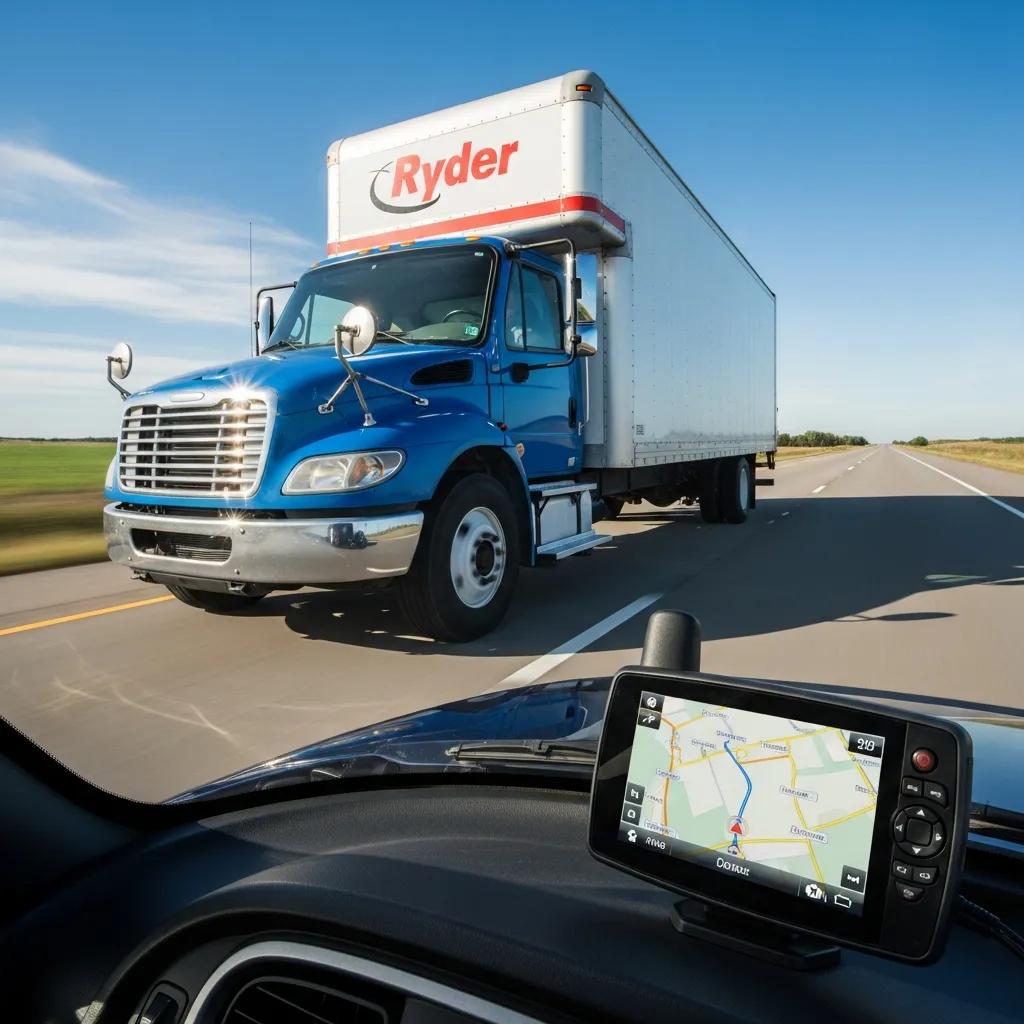
Expedited delivery guarantees shorten the window between pickup and delivery by prioritizing routing and scheduling so shipments move faster than typical consolidated loads. For a NY to FL relocation, a guaranteed expedited delivery timeframe such as 2–4 business days reduces time in transit, lowers the need for temporary storage, and accelerates the timeline for settling into your new home. Operationally, expedited moves may use dedicated lanes, reserved truck space, and prioritized offloading at destination hubs to keep schedules tight while maintaining handling protocols for fragile items. Understanding the guarantee’s conditions—pickup windows, blackout dates, and potential peak-season exceptions—helps set realistic expectations and prevents last-minute surprises that can arise during high-demand periods.
When you combine expedited delivery with live GPS tracking you gain constant visibility into the shipment’s location and an accurate delivery window, which simplifies coordinating final-day logistics such as utility activation or child and pet care. This transparency also reduces the stress of not knowing when the truck will arrive and helps you plan the final unpacking sequence in your Florida residence. Knowing these operational details prepares you to choose between standard consolidated shipping and expedited options based on how quickly you need access to household goods.
What Financial Flexibility Does 0% APR Financing Offer?

0% APR financing gives customers the ability to spread the upfront cost of a long-distance move across manageable payments without incurring interest charges, which can make higher-service levels more accessible to budget-conscious households. For many NY→FL relocations, the option to finance door-to-door full-service moves—covering packing, loading, transport, and unloading—means you can avoid compromising on protective materials or handling for large, delicate, or high-value items. Typically this financing integrates with the booking flow so customers see payment options alongside quotes and can select a plan that fits timing and cashflow needs; deposits such as a $49 refundable deposit may secure the booking while the financing is finalized.
Using financing responsibly allows you to select the service level that best manages risk—such as full-service packing for fragile antiques or specialty crating—while maintaining budget discipline during the transition. Be sure to compare the financed total against a pay-in-full scenario to confirm the financing delivers expected value, and verify any administrative requirements or timelines that affect when pickup can be scheduled.
How Much Does It Cost to Move from New York to Florida?
Estimating the cost of an NY to FL interstate move depends primarily on home size, shipment volume, service level, and distance, with seasonality and access factors also playing a strong role. A simple cost framework helps homeowners set realistic expectations before requesting quotes: small studio or one-bedroom moves are materially less than three-bedroom full-service relocations, and adding packing, storage, vehicle shipping, or specialty crating increases total cost. Transparent pricing practices and clear line-item quotes reduce the risk of surprise fees and make it easier to compare bids from different carriers. The next content provides a quick cost comparison by household size plus practical tips to manage price drivers.
| Home size / Service level | Typical cost range | Notes |
|---|---|---|
| Studio / 1-bedroom (economy) | $1,200 – $2,500 | Consolidated or small dedicated truck; limited bulky items |
| 2-bedroom (standard) | $2,500 – $4,500 | Common range for partial full-service with some packing |
| 3-bedroom (full-service) | $4,500 – $7,500+ | Full packing, specialty items, long-distance dedicated transit |
This table provides a baseline that should be refined through binding or in-home estimates, since volume, elevator/truck access, and add-ons change totals.
What Factors Influence the Cost of Your NY to FL Move?
Several concrete variables determine final pricing: the literal mileage between pickup and delivery, the total cubic volume of household goods, service-level choices like full packing vs. self-pack, and added services such as specialty crating or vehicle transport. Peak demand windows—summer months and end-of-month moves—often increase rates, while weekday or mid-month moves can be more affordable. Operational access also affects costs: curbside pickup versus elevator access changes labor time and may add fees for long carries or narrow-street permits typical in certain New York neighborhoods. Estimating volume accurately—using room counts and major-item lists—improves quote precision and limits post-booking adjustments.
How Can You Avoid Hidden Fees and Get Transparent Quotes?
Avoiding hidden fees starts with requesting itemized, written estimates that list base transport charges, labor, materials, access fees, insurance or liability options, and any anticipated surcharges. Ask movers to specify whether quotes are binding, binding with a not-to-exceed clause, or non-binding; binding or guaranteed-price estimates protect you against unexpected increases. Provide clear details about large or specialty items, vehicle transport needs, and exact pickup and delivery addresses to eliminate later surprises tied to access or distance. When reviewing bids, compare equivalent service levels and confirm what basic liability coverage is included and what optional insurance products are offered.
- Confirm estimate type: binding vs. non-binding.
- List access conditions: stairs, elevator, long carries.
- Request itemized surcharges: fuel, residential, or stair fees.
- Verify included liability: baseline coverage and options to upgrade.
What Comprehensive Moving Services Are Available for NY to FL Relocation?
Long-distance movers offer a range of service tiers to match budgets and risk tolerance, from labor-only load/unload options to door-to-door full-service moves that handle packing, crating, transport, and delivery. Selecting the appropriate service depends on how much time you can invest, the fragility of your possessions, and whether you need short- or long-term storage during the transition. Understanding the service menu—and how each item protects goods and reduces customer effort—lets you select the best fit for your NY→FL relocation. The next paragraphs outline core service categories and when to choose each.
| Service | What it includes | Benefit / When to choose |
|---|---|---|
| Full-service packing | Professional packing of all rooms, materials, labeling | Best for busy households, fragile or high-value items |
| Partial packing | Pack selected rooms/items, homeowner packs remainder | Good when budget and protection need balance |
| Short-term storage | Secure, climate options, inventory tracking | Use when delivery timing differs from housing availability |
| Specialty crating | Custom crates for pianos/antiques | Required for fragile, high-value, or irregular items |
| Junk removal | Disposal of unwanted items pre-move | Useful for decluttering to reduce volume and cost |
This table clarifies how choosing the right combination of services aligns cost with protection and convenience.
Company-specific services that address NY→FL moves include full-service packing and unpacking, secure short-term and long-term storage, specialty handling for pianos and antiques, vehicle shipping, and junk removal. These offerings reduce handling risk, speed loading/unloading, and provide options when your Florida home is not immediately available. Service choice affects scheduling flexibility and may change the optimal transit option—expedited lanes for immediate delivery versus consolidated loads for more economical timing.
How Do Full-Service Packing and Unpacking Options Work?
Full-service packing typically begins with an on-site or virtual survey to scope volumes and special handling needs, followed by scheduled professional teams that bring packing materials, label boxes, and inventory items room-by-room. Teams use moving blankets, furniture covers, corner protectors, and custom crating for high-value goods to reduce damage during long-haul transit. Advantages include time savings, professional packing techniques that reduce breakage, and clearer liability chains should damage occur; disadvantages can include higher cost compared with self-packing. Deciding between full and partial packing depends on your schedule, item fragility, and budget constraints.
When you opt for full-service packing you gain the assurance that fragile items are wrapped and crated correctly, which ties directly into the next consideration of where to store goods if delivery timing requires interim storage.
What Secure Storage Solutions Support Your Interstate Move?
Secure storage options for interstate moves include short-term holding at a company warehouse to bridge pickup and delivery windows, longer-term storage for staging possessions, and climate-controlled units for sensitive items. Choosing the right storage depends on how long your belongings need to be held, whether climate control is necessary for antiques or electronics, and the provider’s inventory and access policies. Security features to confirm include inventory management, secure access controls, insurance or liability coverage, and regular condition reporting if items remain in storage for months. Integrating storage with expedited delivery options can streamline transitions: goods held in a nearby hub can join an expedited lane when a delivery window opens.
Before placing items in storage, prepare a simple inventory and photograph high-value pieces to protect against disputes and ensure faster claims processing if needed.
What Is the Step-by-Step Process for a Smooth NY to FL Move?
A reliable NY to FL move follows predictable stages: estimate and planning, packing and loading, transportation with tracking and safeguards, delivery and placement, and post-move follow-up. Each stage reduces uncertainty through documentation, clear timelines, and assigned responsibilities so customers know what to expect and when to be available. Preparing for each step—by decluttering, reserving elevator windows, and confirming contact information—reduces delays and potential extra charges. The following numbered steps provide a quick checklist to guide you from first estimate to final delivery.
- Request estimate with inventory and access details.
- Confirm service level, deposit, and any financing options.
- Schedule pickup window and finalize packing or materials.
- Track shipment during transit and prepare for delivery logistics.
This process checklist helps you coordinate the many moving parts of a long-distance relocation and sets expectations for timing and responsibilities during transit.
| Step | What happens | What customer should prepare/do |
|---|---|---|
| Estimate & Booking | Carrier provides quote and requests deposit | Provide room inventory, access details, and confirm dates |
| Packing & Loading | Crew packs, wraps, and loads goods onto truck | Have valuables separated and essential box prepared |
| Transportation | Goods move with tracking and scheduled stops | Monitor live tracking, keep phone reachable for updates |
| Delivery & Unloading | Truck arrives, crew places and unpacks as agreed | Confirm placement, inspect items, sign paperwork |
At the end of the planning phase you should understand booking mechanics and conversion options: many carriers allow an online instant move estimate and offer financing and low refundable deposits to secure dates. For example, customers can reserve a move with a $49 refundable deposit and select 0% APR financing to spread the cost, and choose expedited delivery options when quick arrival is essential. Live GPS tracking during transportation improves coordination and gives real-time visibility so you can plan final-day details confidently.
How to Get an Instant Move Estimate and Personalized Plan?
Getting an instant estimate typically requires details about your current address, destination, approximate home size (rooms), major items (piano, large furniture), and desired service level (self-pack, partial, or full-service). Instant online tools provide a baseline quote; an in-person or virtual survey refines a binding or guaranteed price by verifying volume and access. A personalized plan outlines dates, packing responsibilities, liability coverage options, and any special handling instructions. Providing accurate access information—stairs, long carries, parking restrictions—before booking prevents later adjustments and supports more reliable scheduling.
After you receive a personalized plan, confirm any deposit and financing choices, review liability inclusions, and schedule final pickup windows to lock in routing and transit options.
What Happens During Packing, Transportation, and Delivery?
Packing and loading are performed with techniques designed to protect items for long-distance transit: heavy items go on bottoms, fragile items are crated or double-wrapped, and inventory lists are created for accountability. During transportation, trucks use routing optimized for safety and timeliness; live GPS tracking provides ongoing location data and an estimated delivery window. On delivery, crews unpack, place items per your instructions, and clear packing debris when included in service; customers inspect items and sign delivery paperwork to acknowledge receipt. Clear communication at each phase shortens resolution time for any discrepancies and supports a final checklist for condition and completeness.
Preparing an essentials box and a list of priority items to unpack first makes the first 24–48 hours in your Florida home far easier and reduces stress during the delivery day.
What Tips Help Ensure a Stress-Free Transition from New York to Florida?
A stress-free NY→FL move starts with early planning: declutter to reduce volume, confirm scheduling around Florida’s seasonality, and compile essential documents and registrations you’ll need after arrival. Practical pre-move tasks include updating subscriptions, gathering medical records, and making a logistics checklist for vehicle and pet transport. Balancing timing to avoid hurricane season or high summer demand helps keep costs and schedule risk lower. The next paragraphs provide concrete timing guidance and immediate settling-in tips for Florida life so you can transition smoothly.
- Declutter and donate or sell items you won’t ship.
- Compile an essentials bag with documents, medications, and immediate necessities.
- Confirm utility start dates and update your mailing address.
- Photograph electronics and high-value items for inventory.
When Is the Best Time to Move Considering Seasonality and Weather?
The optimal time to move balances lower demand windows with climate risks; for New York to Florida moves, shoulder seasons—late spring and early fall—often provide a compromise between favorable rates and acceptable weather. Florida’s hurricane season introduces specific risk between June and November, so scheduling outside peak storm windows when possible reduces the chance of weather-related delays or rerouting. Moving mid-week or mid-month generally lowers costs and improves pickup and delivery flexibility compared with end-of-month or holiday periods. Plan with backup dates and verify carriers’ contingency policies so you understand options if severe weather affects the planned schedule.
Having flexible dates and an agreed contingency plan with your mover reduces stress and gives you realistic expectations about the interplay between seasonality and scheduling.
How to Prepare Your Home and Adjust to Florida Life?
Preparing your home for move-out requires focused decluttering, clear labeling of packed items, and securing necessary documents such as medical and school records for transfer. Before handing over keys, perform a final walkthrough to confirm all utilities are scheduled and appliances are cleaned for transit. After arrival in Florida, prioritize immediate administrative tasks—registering vehicles and updating driver records, transferring utilities, and locating local healthcare and service providers—to stabilize daily life quickly. Adapting to Florida’s climate may require adjusting home insulation, mosquito-control measures, and wardrobe choices; practical preparations make the transition easier and help you settle into your new routine.
Starting local registrations and community searches early accelerates your ability to integrate socially and logistically into Florida life.
What Are Common Questions About NY to FL Moving Services?
Potential customers frequently ask about transit timelines, licensing and insurance, cost transparency, and how expedited services operate for long-distance moves. Clear, short answers reduce friction and help people decide when to choose expedited lanes, finance a move, or add protective services like specialty crating. The remainder of this section answers the most common operational and regulatory questions with concise, actionable responses to support decision-making before booking.
- How long will an expedited move take?
- What licenses and insurance should my carrier hold?
- How do binding estimates protect me?
How Long Does an Expedited Move Take from NY to FL?
An expedited move between New York and Florida is commonly guaranteed to arrive within 2–4 business days when using dedicated priority lanes and reserved vehicle space, though exact timing depends on pickup time, routing, and peak season demand. Factors that can extend delivery include weekend pickups, high seasonal congestion, and access constraints that delay loading or unloading. Customers should confirm the guaranteed delivery window in writing and ask about blackout dates or specific conditions that may affect the promise. Combining expedited delivery with live GPS tracking provides the most accurate real-time expectations for arrival.
Understanding these timing mechanics helps you choose expedited services when rapid access to household goods is essential.
Is Your Hometown Mover Licensed and Insured for Interstate Moves?
Your Hometown Mover is represented in search summaries as licensed and insured under federal and state jurisdictions relevant to interstate transport, with licensing referenced in SERP including USDOT, NYSDOT, and FMCSA registrations, and an A+ rating with the Better Business Bureau reported. Licensing and insurance are critical because they establish regulatory oversight and consumer protections for interstate shipments. When hiring any mover, request the carrier’s USDOT or FMCSA number to verify registration and confirm the scope of liability coverage offered; ask for written documentation so you can validate the carrier’s operating authority and available consumer recourse.
Verifying licenses and insurance before booking reduces legal and financial risk and supports a smoother claims process should any damage or loss occur during a long-distance relocation.
Frequently Asked Questions
What should I do to prepare for my move from New York to Florida?
Preparing for your move involves several key steps. Start by decluttering your home to reduce the volume of items you need to transport. Create an essentials bag with important documents, medications, and immediate necessities. Confirm utility start dates at your new Florida home and update your mailing address. Additionally, photograph valuable items for inventory purposes. Planning these tasks in advance can help streamline your moving process and reduce stress on moving day.
How can I ensure my belongings are protected during the move?
To protect your belongings during the move, consider opting for full-service packing, where professionals use high-quality materials and techniques to secure your items. If you choose to pack yourself, use sturdy boxes, bubble wrap, and packing tape to safeguard fragile items. Additionally, inquire about specialty crating for high-value or delicate possessions. Ensure that your moving company offers liability coverage and understand the terms of their insurance policy to further protect your goods during transit.
What are the benefits of using a professional moving service?
Using a professional moving service offers numerous benefits, including expertise in packing and logistics, which can save you time and reduce stress. Professionals are trained to handle heavy and fragile items safely, minimizing the risk of damage. They also provide necessary equipment, such as dollies and packing materials, and can offer insurance options for added peace of mind. Furthermore, their experience in navigating the complexities of interstate moves can help ensure a smoother transition to your new home.
How do I choose the right moving company for my needs?
Choosing the right moving company involves researching and comparing several factors. Look for companies with strong customer reviews and ratings, as well as proper licensing and insurance. Request detailed quotes from multiple movers, ensuring they provide itemized estimates that outline all potential costs. Consider their service offerings, such as packing, storage, and specialty handling, to find a company that aligns with your specific needs. Finally, trust your instincts; choose a mover that communicates clearly and makes you feel comfortable.
What should I expect on moving day?
On moving day, expect the moving crew to arrive at the scheduled time, ready to pack and load your belongings. Ensure that you have a clear path for them to navigate and that any necessary access points, like elevators or parking, are arranged. Be prepared to supervise the loading process, answer any questions, and confirm the inventory list. After loading, the crew will transport your items to your new home, where they will unload and place your belongings as per your instructions.
How can I make my transition to Florida easier after the move?
To ease your transition to Florida, prioritize settling in by registering your vehicle, updating your driver’s license, and transferring utilities as soon as possible. Familiarize yourself with local services, such as healthcare providers and grocery stores, to help you adjust quickly. Additionally, take time to explore your new community and meet neighbors, which can help you feel more at home. Finally, consider joining local groups or activities to build connections and integrate into your new environment.
Conclusion
Successfully relocating from New York to Florida involves understanding the logistics, costs, and services that can ease your transition. By choosing a reliable moving partner, you can ensure a smooth process that minimizes stress and maximizes efficiency. Take the next step towards your new adventure by exploring our comprehensive moving services tailored for your needs. Start planning your move today and experience the benefits of a well-organized relocation.