


Understanding International Moving Regulations & Laws: Your Complete Customs and Documentation Guide
International moving regulations define the legal, customs, and documentation requirements that govern relocating household goods and people
across borders
, and understanding them prevents costly delays, fines, and confiscation. This guide explains how customs regulations, import duties, visas, and transport documentation interact during an overseas move, and it offers practical checklists and timelines to keep your shipment compliant. Many movers overlook the detailed paperwork—passports, visas, detailed inventories, bills of lading, and health certificates—that customs authorities require, so this article provides a step-by-step documentation and customs roadmap to avoid common pitfalls. You will learn which documents are essential, how customs clearance works for household goods, how duties and VAT may apply, and special rules for pets and vehicles. Each H2 section breaks the topic into digestible actions: a documents checklist, customs process, tax implications, special-item rules, how professional movers help, and a practical preparation timeline. Throughout we use terms like customs regulations, import duties, customs clearance household goods, and international moving documentation checklist to keep this guide practical and searchable.
Understanding the foundational principles of international trade and customs compliance is crucial for navigating the complexities of global supply chains and cross-border movements.
International Moving: Regulatory Requirements & Customs Compliance
International supply chains require the movement of goods across borders. While moving goods internationally is already operationally complex, the regulatory requirements that need to be met complicate this further. In this chapter, we explain how and why international regulatory issues enter the supply chain. At the basic level, we discuss in some detail concepts such as arm’s length trading, origin, customs declaration and the role of trade agreements. We then introduce, as part of the advanced level, the basic principles of customs supervision in supply chains. Most customs regulations contain principles that are designed to facilitate international business and allow for the postponement of duty and tax payment to the right time and place.
International trade, global supply chains and compliance, 2018
What Are the Essential Documents Required for International Moving?
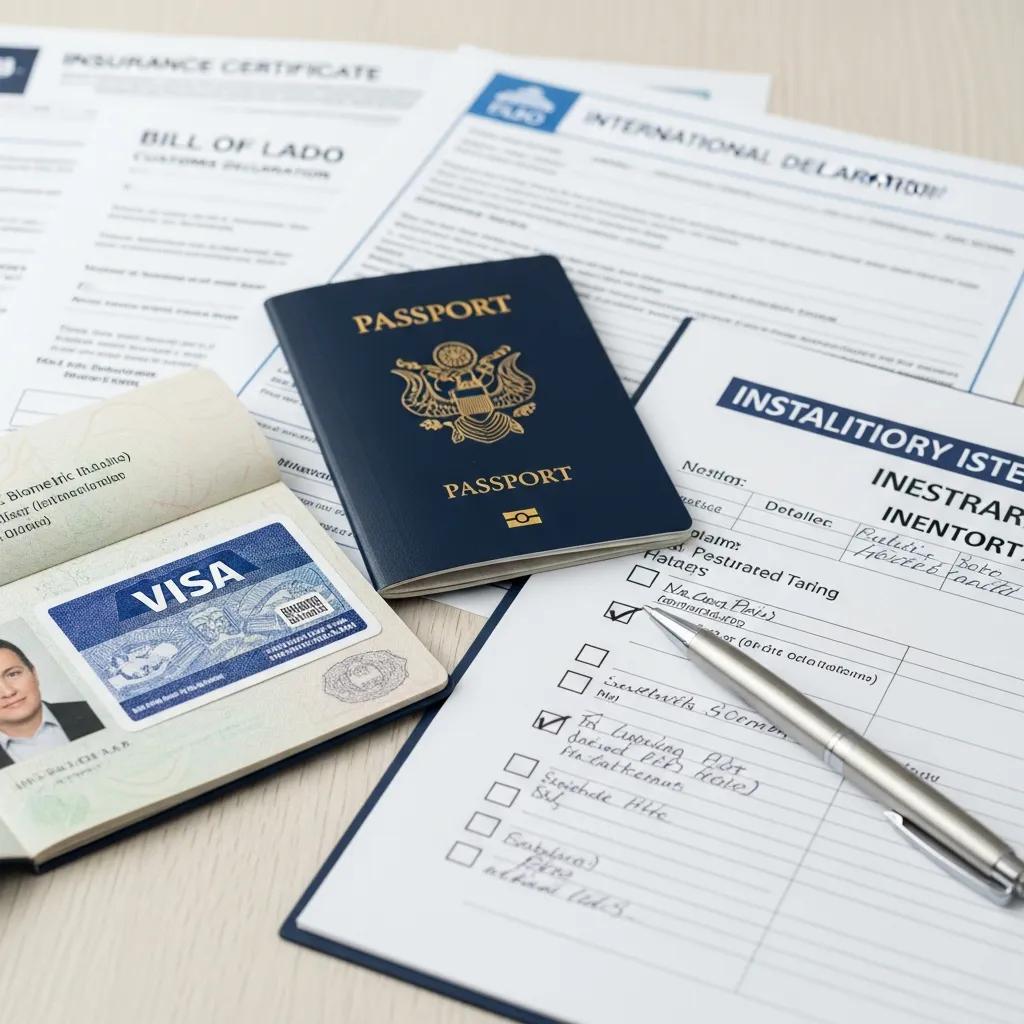
Essential documents for an international move prove identity, residency intent, and the contents and ownership of shipped goods, and they streamline customs processing and entry at the destination. Accurate paperwork reduces inspection triggers, clarifies duty treatment, and accelerates release of household goods. Start with personal identification and immigration documents, then layer in shipping paperwork that describes your goods and authorizes third parties to act on your behalf. Proper notarization, translations, and early collection of original documents are practical steps that reduce risk of administrative hold-ups.
Which Personal Documents Do You Need for Overseas Relocation?
Personal documents establish identity and legal entry permissions and typically include a valid passport, the correct visa or residency permit, and supporting civil records such as birth and marriage certificates. These documents prove eligibility for duty exemptions and residency-based import rules in many countries, and they are required at port or airport entry during customs checks. Renew or replace any near-expiry passports months before travel to avoid rejected entry or denied import privileges. Keep certified copies, apostilles where required, and translated versions ready to present to immigration and customs officials to prevent processing delays.
What Shipping and Customs Documentation Is Necessary?
Shipping and customs documentation demonstrates what is being imported, who owns the goods, and who can clear them; common items include a detailed inventory, bill of lading or air waybill, customs declaration, power of attorney, and insurance policies. Prepare an inventory that lists each item, its condition, approximate value, and whether it is used or new, because customs valuation and duty assessments hinge on that information. Granting a power of attorney to a customs broker or mover allows them to act on your behalf during clearance, which speeds the process and reduces errors.
Specifically, the Bill of Lading serves as a critical document in sea transport, outlining the contractual agreement and responsibilities between parties.
Bill of Lading: Key Document for International Sea Transport
This study discusses the law of transporting goods at sea by using a document of charge called Bill of Lading known in common law system is from the 16th century. The research is taken based on the empirical type by showing evidence obtained from the field then analyzed based on bibliography and theory which exists. The result of the research is that each of the international regulations studied does not describe explicitly what the rights and obligations of exporters and importers. However, the B/L contract on the back describes the rights and obligations of exporters and importers as “merchants”.
Bill of Lading in Transporting Goods at Sea to Envisage an Efficiency of Export and Import Transaction, ALS Sudarwanto
Introductory overview of common shipping documents and where to obtain them before your move.
| Document | Purpose | Example / Where to Obtain |
|---|---|---|
| Detailed Inventory | Describes goods for valuation and inspections | Create with mover; keep digital and printed copies |
| Bill of Lading / Air Waybill | Contract of carriage and title for sea/air shipments | Issued by carrier or freight forwarder |
| Customs Declaration | Declares goods to destination customs for assessment | Completed by you or customs broker at entry |
| Power of Attorney | Authorizes broker/mover to clear goods | Notarized document provided by shipper |
| Health & Veterinary Certificates | Required for pets, foodstuffs, and plants | Issued by licensed veterinarians or agencies |
This table clarifies who issues each document and why it matters; gathering these items early reduces the chance of detention or fines. Ensure translations and notarizations are completed when required by the destination country.
How Do Customs Regulations Affect International Shipping of Household Goods?
Customs regulations set the rules that determine whether household goods are admissible, how they will be inspected, and what duties or taxes apply, and understanding these rules minimizes unexpected costs and delays. Customs authorities enforce prohibitions and restrictions, verify documentation and valuation, and apply tariff classifications that underpin duty calculations. Non-compliance can trigger inspections, storage charges, fines, or seizure, so proactive documentation and correct packing directly influence clearance speed. Effective planning includes accurate inventories, early submission of required permits, and clear labelling to match paperwork to physical goods.
What Items Are Prohibited or Restricted in International Moves?
Prohibited and restricted lists vary by country but typically include firearms, explosives, certain chemicals, perishables, and unvaccinated animals; some countries also restrict antiques or items of cultural heritage. Restricted items may require special permits, quarantine clearance, or fumigation certificates, and failing to secure the permit can result in shipment refusal or confiscation. To verify specific rules, consult the destination country’s customs authority or work with a customs broker who can confirm permit requirements and timelines. Preparing documentation and permits ahead of shipping reduces the risk of quarantine or destruction at the border.
How Does the Customs Clearance Process Work for Overseas Relocation?
Customs clearance typically follows a clear sequence: arrival of the shipment, presentation of paperwork, customs verification and possible inspection, duty and tax assessment, and release to consignee or delivery agent. A customs broker or mover often handles document presentation and liaises with authorities on your behalf, especially for consolidated or containerized shipments. Expected timelines vary by port and destination—some clear within days, others require weeks if inspections or permits are needed—so build buffer time into your schedule. Clear labels, accurate inventories, and pre-clearing permits help minimize inspection likelihood and speed release.
After explaining how clearance works, you should consider professional support to streamline this sequence and handle documentation efficiently.
- Professional coordination reduces administrative mistakes that cause delays.
- Expert documentation review ensures inventories and values meet customs expectations.
- Authorized brokers can expedite payments and manage inspections on your behalf.
These benefits show why early planning and broker involvement often prevent common clearance bottlenecks.
What Are the Duties, Taxes, and Financial Implications of Moving Internationally?
Duties and taxes for international moves depend on customs valuation, tariff classification, item age, and applicable exemptions, and these financial rules determine the final cost of importing household goods and vehicles. Customs assess the shipment value using invoice amounts, replacement value, or deemed value for used goods; some countries grant exemptions for personal effects brought in by new residents. Besides duties and VAT, expect port handling charges, storage fees, and customs brokerage costs that can appear separately on bills. Budgeting for these elements and obtaining preliminary estimates helps avoid surprise charges on delivery.
How Are Import Duties and Value Added Tax Applied to Household Goods?
Import duties and VAT are applied based on the customs-assessed value and the specific tariff classification assigned to each item, and age or “used” status often reduces duty liability in many jurisdictions. Customs uses tariff codes to determine duty rates, and VAT is frequently calculated on the sum of customs value plus duty and service fees. A sample scenario illustrates the calculation: customs value + freight + insurance = taxable base; apply duty percentage to the taxable base, then add VAT percentage to the subtotal. Checking destination tariff lookup tools or consulting a customs broker gives the precise rates and any available exemptions.
| Item Category | Typical Treatment | Notes on Exemptions / Calculation |
|---|---|---|
| Personal Effects (used) | Often eligible for reduced duties or exemptions | Proof of prior ownership and residency may be required |
| New Household Goods | Assessed at declared value and full duty applies | Higher duty and VAT risk if items are new |
| Vehicles | High duties and import taxes, plus emissions/registration fees | Temporary import options may limit taxes but require re-export |
This comparison highlights how item type determines likely tax treatment and why accurate classification matters for estimating costs.
What Are the Tax Implications and Fees Associated with International Moves?
Beyond duties and VAT, movers and shippers should account for customs broker fees, port handling and terminal charges, storage if clearance is delayed, and possible quarantine or fumigation fees for restricted items. These administrative fees often show up as separate line items and are influenced by shipment complexity and inspection outcomes. Tax residency changes can have broader financial implications—some countries treat the arrival of personal goods differently depending on immigration status—so consult tax or immigration counsel for complex scenarios. Movers provide estimates for common fees, but clear documentation and pre-arranged brokerage reduce the likelihood of unexpected expenses.
How Do Special Considerations Like Pet Relocation and Vehicle Import Regulations Impact Your Move?
Pets and vehicles trigger distinct legal frameworks that go beyond standard household shipments, requiring health certificates, import permits, emissions and safety compliance, and sometimes quarantine periods; advance planning is essential to avoid long holds. Pet relocation often needs vaccinations, microchipping, and endorsed veterinary certificates issued within specified lead times, while vehicles require title and registration documentation, proof of compliance with local roadworthiness or emissions standards, and calculation of duty and taxes. Timelines for both pets and vehicles commonly extend normal clearance schedules, so building extra weeks into your plan is prudent. Comparison helps illustrate the divergent documentation, typical timelines, and common fees for these special items.
What Are the Legal Requirements for International Pet Relocation?
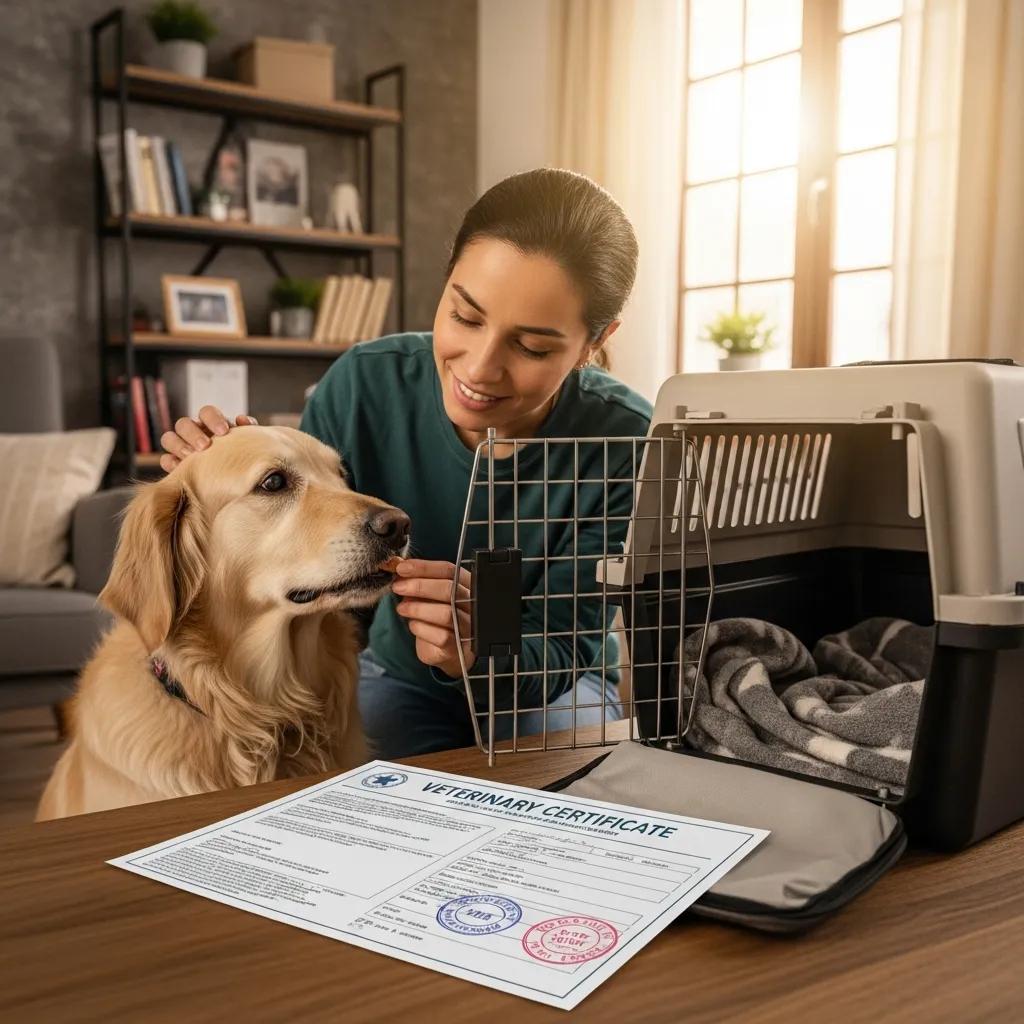
Pet relocation requires a sequence of veterinary tasks—microchip implantation, up-to-date vaccinations, and an official health certificate attesting to fitness for travel—and many destinations mandate these steps be completed within a fixed window before travel. Some countries also require blood titer testing, parasite treatments, or government endorsements that take additional lead time and paperwork. Strict biosecurity countries may impose quarantine on arrival unless all requirements are precisely met, making pre-move verification essential. Coordinate with your veterinarian early, keep originals and copies of each document, and confirm carrier-specific crate and transport rules to avoid last-minute travel denials.
| Item | Attribute | Typical Requirement / Timeline |
|---|---|---|
| Veterinary Certificate | Issuing Authority | Licensed veterinarian; often within 10 days of travel |
| Vaccinations | Attribute | Rabies and core vaccines required; vary by destination |
| Quarantine | Typical Requirement | Depends on destination; can range from none to several weeks |
This comparison clarifies typical timelines and shows why early scheduling of veterinary tasks prevents quarantine-related disruptions.
How Do Vehicle Import Laws Affect Overseas Moves?
Vehicle importation involves documentation of ownership, compliance with destination safety and emissions standards, and payment of duties and taxes, and timelines can be long due to inspections and modification requirements. Some countries prohibit certain vehicle ages or right-hand/left-hand drive configurations, while others allow temporary importation under carnet or bond arrangements for a limited period without full import duties. Preparing original title documents, emissions test certificates, and evidence of ownership helps customs classify the vehicle and determine duty. Consider whether re-registration, conversion, or modification will be required; those tasks add time and cost to a vehicle move.
How Can Your Hometown Mover Simplify Compliance with International Moving Laws?
Your Hometown Mover
helps customers navigate international moving compliance by coordinating documentation, liaising with customs brokers, and using licensed carrier partners, while presenting licensure and insurance as trust signals for overseas shipping. The company operates as a full-service moving provider from the Hudson Valley with operations across the USA and into Florida, offering
local
, long-distance, packing, storage, and junk removal services that support a broader international logistics plan.
Beyond core moving services, managing unwanted items is often part of a relocation. Consider professional
junk removal services
to streamline your move and declutter before packing.
As part of compliance support, Your Hometown Mover prepares inventories, advises on documentation timelines, and coordinates with customs brokers to reduce clearance friction. For comprehensive assistance, consider their professional
packing services
to ensure your belongings are securely prepared for transit. This practical support shortens timelines and lowers the risk of inspection-related delays for clients preparing to move abroad.
What Expertise Does Your Hometown Mover Offer in Navigating Customs and Documentation?
Your Hometown Mover provides hands-on assistance preparing inventories, reviewing required shipping and personal documents, coordinating with customs brokers, and managing timelines to ensure permits and certificates are completed in advance. The team handles packing and labeling to match paperwork, prepares bills of lading with accurate descriptions, and communicates clearance steps so customers know what to expect at each milestone. As a lead generation and information hub, the company emphasizes reliability, professionalism, affordability, and customer satisfaction—backed by a MoveMatch Guarantee and full licensing and insurance coverage. Using these competencies reduces administrative errors and supports smoother customs interactions for complex cross-border moves.
How Does Federal Maritime Commission Licensing Ensure Reliable International Moving Services?
Federal Maritime Commission licensing indicates regulatory oversight for ocean transport services and signals that a mover or its partners follow industry rules for contracts, tariffs, and claims handling, which enhances customer protections for overseas shipments. FMC oversight requires certain disclosures and operating standards that help ensure carriers and freight forwarders manage shipments transparently and respond to claims in accordance with regulations. Your Hometown Mover references FMC licensing along with U.S. Department of Transportation and New York State Department of Transportation credentials as trust signals, which reassures customers about compliance and accountability in international shipping. Verifying licensing through authoritative channels is a prudent step when selecting a mover for overseas relocations.
What Steps Should You Follow to Prepare for an International Move?
Preparing for an international move requires a layered timeline that sequences immigration, shipping, and special-item tasks across months to avoid last-minute problems; adopt a plan that covers six-plus months, three months, one month, and two weeks before shipment. Early actions include confirming passport validity, researching destination import rules, scheduling veterinary and vehicle compliance tasks, and compiling inventories and ownership documents. Mid-timeline tasks focus on packing strategy, insurance selection, and booking carriers with appropriate services, while late tasks finalize paperwork, notify utilities and authorities, and prepare for customs presentation. Following a clear checklist reduces surprises and gives you time to resolve permit or inspection issues.
What Is the Comprehensive International Moving Checklist for Documentation and Compliance?
A comprehensive checklist covers identity and immigration documents, shipping paperwork, health and veterinary certificates, vehicle titles, and any required permits or apostilles, and it assigns lead times for each element. Assemble originals and certified copies, obtain translations and notarizations if needed, and provide digital backups accessible to your mover and customs broker. Insurance and inventory documentation is especially important for claims preparedness; label boxes with clear item numbers that match your inventory for faster inspections. Use the checklist to schedule tasks across the 6-to-2-week timeline to keep every requirement on track.
- Gather passports, visas, and residency permits with valid dates at least six months before travel.
- Prepare a detailed inventory and bill of lading with values and conditions before booking shipment.
- Schedule veterinary appointments and vehicle compliance checks based on destination lead times.
Keeping these checklist items organized prevents common errors and supports a smoother move.
How Can You Avoid Common Delays and Issues in International Moving Regulations?
Avoid delays by submitting accurate, consistent documentation, translating and notarizing where required, and using a customs broker when complexity or high import value exists; proactive communication is key. Common mistakes include undervaluing shipments, failing to list restricted items, and missing the precise timing for health certificates or permits, all of which trigger inspections or fines. Labeling boxes to match the inventory and keeping originals accessible to the broker or mover accelerates inspections and release. Regular status checks with your mover or broker help you anticipate potential problems and resolve them before they cause significant hold-ups.
- Verify document validity early
: Ensure passports, visas, and certificates meet destination timelines. - Match inventory to packing
: Use consistent item numbers and descriptions to reduce inspection friction. - Use licensed broker services for complex customs issues
: Professional handling prevents classification errors.
These preventive steps reduce the likelihood of customs holds, extra storage costs, and delivery delays.
Frequently Asked Questions
What are the common challenges faced during international moving?
International moving presents several challenges, including navigating complex customs regulations, ensuring compliance with destination laws, and managing the logistics of transporting goods across borders. Delays can arise from incomplete documentation, misclassification of items, or failure to meet specific import requirements. Additionally, cultural differences and language barriers can complicate communication with local authorities and service providers. To mitigate these challenges, thorough planning, early preparation of necessary documents, and consultation with experienced movers or customs brokers are essential.
How can I ensure my household goods are properly insured during an international move?
To ensure your household goods are adequately insured during an international move, start by reviewing the insurance options provided by your moving company. Most movers offer basic coverage, but it may not fully protect your belongings. Consider purchasing additional insurance, such as full value protection, which covers the replacement cost of lost or damaged items. Document your inventory with photographs and detailed descriptions, and keep records of the insurance policy. Always read the terms and conditions to understand coverage limits and exclusions.
What should I do if my shipment is delayed at customs?
If your shipment is delayed at customs, the first step is to contact your customs broker or moving company for assistance. They can provide insights into the reasons for the delay and help resolve any issues. Common causes include missing documentation, incorrect valuations, or the need for additional inspections. Ensure you have all required documents readily available and respond promptly to any requests from customs authorities. Staying proactive and maintaining open communication can help expedite the clearance process.
Are there specific regulations for shipping valuable items internationally?
Yes, shipping valuable items internationally often involves additional regulations and requirements. High-value items, such as jewelry, art, or collectibles, may need special insurance coverage and detailed documentation, including appraisals or receipts. Some countries have restrictions on the import of valuable items, requiring permits or declarations. It’s crucial to check the destination country’s regulations and consult with your moving company or customs broker to ensure compliance and proper handling of these items during transit.
How can I prepare my pets for international relocation?
Preparing pets for international relocation involves several steps to ensure their health and compliance with destination regulations. Start by consulting your veterinarian to obtain necessary vaccinations, health certificates, and microchipping. Research the specific pet import requirements of the destination country, as some may require quarantine or additional documentation. It’s advisable to book travel arrangements well in advance and ensure your pet is comfortable in their travel crate. Keeping all documents organized and accessible will help facilitate a smooth transition for your pet.
What are the implications of changing tax residency during an international move?
Changing tax residency during an international move can have significant financial implications. Different countries have varying rules regarding the taxation of imported goods, and your residency status may affect duty exemptions or tax liabilities. It’s essential to understand the tax laws of both your home country and the destination country. Consulting with a tax professional or immigration advisor can help clarify your obligations and ensure compliance, potentially saving you from unexpected tax burdens or penalties.
How can I find a reliable international moving company?
Finding a reliable international moving company involves thorough research and due diligence. Start by seeking recommendations from friends or family who have moved internationally. Check online reviews and ratings on platforms like Google or Yelp. Ensure the company is licensed and insured, and verify their credentials with organizations like the Federal Maritime Commission. Request quotes from multiple movers, and ask about their experience with international relocations. A reputable company should provide clear communication, detailed estimates, and a comprehensive understanding of customs regulations.
Conclusion
Understanding international moving regulations is essential for a smooth relocation experience, as it helps avoid costly delays and ensures compliance with customs requirements. By familiarizing yourself with necessary documentation, duties, and special considerations for items like pets and vehicles, you can streamline the moving process and reduce stress. For personalized assistance and expert guidance, consider reaching out to a professional moving service that specializes in international relocations. Start planning your move today to ensure a seamless transition to your new home.