


Master Your Long-Distance Move
Planning a long-distance move can be a daunting task, filled with numerous challenges and logistical hurdles. This comprehensive guide aims to equip you with the essential knowledge and strategies needed for a successful cross-country relocation. You will learn about the critical steps involved in planning your move, budgeting effectively, and choosing the right moving company. Additionally, we will provide expert packing strategies and logistical management tips to ensure a smooth transition to your new home. By addressing common pain points and offering practical solutions, this guide will help you navigate the complexities of long-distance moving with confidence. We will cover key topics such as creating a moving checklist, setting a realistic budget, selecting reliable moving companies, and what to expect on moving day.
How Do I Plan a Successful Cross Country Move?
Planning a successful cross-country move requires careful organization and foresight. The first step is to create a detailed moving checklist that outlines all necessary tasks, ensuring nothing is overlooked. This checklist should include timelines for each task, from decluttering your home to scheduling utility transfers. Early planning is crucial, as it allows you to manage your time effectively and reduces the stress associated with last-minute arrangements.
What Are the Essential Steps in a Long Distance Moving Checklist?

A comprehensive long-distance moving checklist includes several essential steps:
- Declutter Your Home: Sort through your belongings and decide what to keep, donate, or discard.
- Create a Timeline: Establish a timeline for each task, ensuring you stay on track as moving day approaches.
- Research Moving Companies: Investigate potential movers, read reviews, and request quotes to find the best fit for your needs.
By following these steps, you can streamline your moving process and minimize potential complications.
How to Set a Realistic Budget for Your Interstate Move?
Setting a realistic budget for your interstate move involves understanding the various costs associated with the process. Key factors to consider include:
- Moving Company Fees: Obtain quotes from multiple moving companies to compare prices and services.
- Packing Supplies: Budget for boxes, tape, and other packing materials necessary for your move.
- Travel Expenses: Account for gas, lodging, and food if you are driving to your new location.
By carefully estimating these costs, you can create a budget that reflects your financial situation and helps you avoid unexpected expenses.
Which Are the Best Long Distance Moving Companies and How to Choose Them?
Choosing the right long-distance moving company is crucial for a successful relocation. Start by researching companies that specialize in interstate moves and have a solid reputation. Look for customer reviews and testimonials to gauge their reliability and professionalism.
What Licensing and Insurance Should Reliable Movers Have?
Reliable moving companies should possess the necessary licenses and insurance to operate legally. Key requirements include:
- U.S. Department of Transportation (DOT) Number: This ensures the company is registered to transport goods across state lines.
- Insurance Coverage: Verify that the company offers liability coverage to protect your belongings during transit.
These credentials are essential for ensuring your move is handled by a reputable provider.
How Does Your Hometown Mover Ensure Affordability and Reliability?
Your Hometown Mover stands out in the moving industry by emphasizing reliability and affordability. Established in 2013, the company has built a strong reputation across the USA, particularly in New York and Florida. They offer a range of services, including local and long-distance moves, packing, and storage solutions. The “MoveMatch Price Match” ensures you receive competitive pricing, making them a trustworthy choice for your moving needs.
While this guide focuses on cross-country relocations, Your Hometown Mover also provides comprehensive local moving services for those transitioning within the same area, ensuring the same level of care and efficiency.
What Are Expert Packing Strategies for a Cross-Country Move?
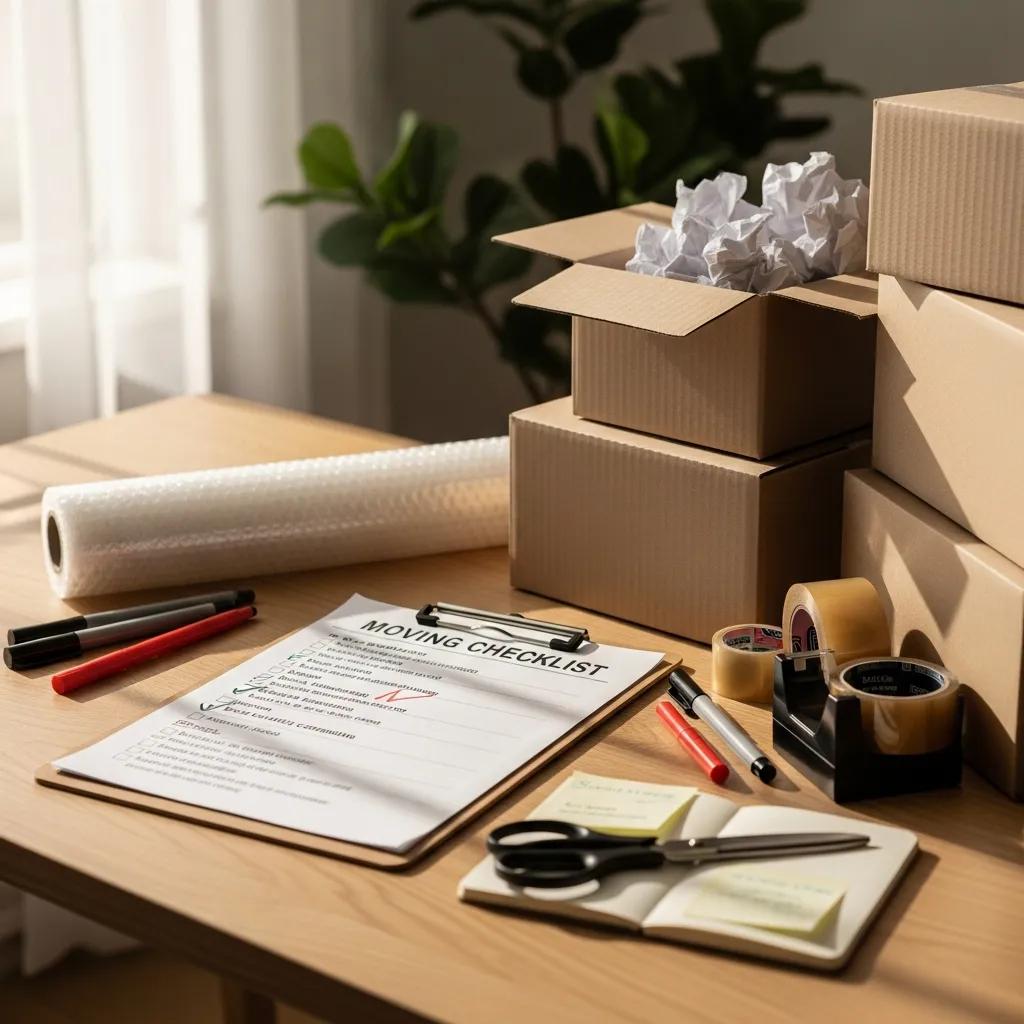
Effective packing is essential for a successful long-distance move. Utilizing expert packing strategies can help protect your belongings and streamline the unpacking process.
Which Packing Supplies Are Essential for Interstate Relocation?
- Sturdy Boxes: Use various sizes to accommodate different items.
- Bubble Wrap and Packing Paper: Protect fragile items during transit.
- Tape and Markers: Secure boxes and label them for easy identification.
Having the right supplies on hand will make the packing process more efficient and organized.
How to Pack Fragile and Specialty Items Safely?
- Wrap Each Item Individually: Use bubble wrap or packing paper to cushion delicate items.
- Use Appropriate Boxes: Choose boxes that fit the items snugly to minimize movement during transport.
- Label Boxes Clearly: Indicate which boxes contain fragile items to ensure careful handling.
By taking these precautions, you can safeguard your valuable possessions during the move.
How to Manage Logistics: Utilities, Address Changes, and Specialty Transport?
Managing logistics during a long-distance move involves several critical tasks, including transferring utilities and changing your address.
What Is the Process for Transferring Utilities and Changing Your Address?
- Contact Utility Providers: Notify your current utility companies of your move and schedule disconnection dates.
- Set Up New Services: Arrange for utilities to be connected at your new home before your arrival.
- Update Your Address: Inform the post office, banks, and other important institutions of your new address.
By proactively managing these logistics, you can avoid disruptions in service and ensure a seamless transition.
How to Plan Vehicle Shipping and Pet Relocation Across States?
- Vehicle Shipping Services: Research companies that specialize in vehicle transport to ensure safe delivery.
- Pet Relocation Services: Look for pet transport services that comply with state regulations and prioritize animal welfare.
Planning these logistics in advance will help you manage the complexities of moving with pets and vehicles.
What Should I Expect on Moving Day and During Post-Move Settling In?
Moving day can be hectic, but knowing what to expect can help you stay organized and calm.
How to Prepare Your Home and Confirm Details for Moving Day?
- Confirm Details with Your Movers: Double-check the moving date, time, and any special instructions.
- Prepare Your Home: Ensure pathways are clear and that you have a designated area for movers to load items.
- Pack an Essentials Box: Include items you will need immediately upon arrival at your new home.
By taking these steps, you can facilitate a smoother moving experience.
What Are the Key Steps to Unpack and Settle Into Your New Home?
- Prioritize Unpacking: Start with essential rooms like the kitchen and bedrooms to make your new space functional.
- Organize as You Go: As you unpack, take the time to organize items to avoid clutter.
- Explore Your New Neighborhood: Familiarize yourself with local amenities and services to help you adjust to your new environment.
These strategies will help you transition smoothly into your new home and community.
Frequently Asked Questions
What are the best practices for hiring a moving company?
When hiring a moving company, start by researching multiple options and reading customer reviews to gauge their reliability. Ensure the company is licensed and insured, as this protects you during the move. Request detailed quotes that outline all costs, including any potential extra fees. It’s also wise to ask about their experience with long-distance moves specifically. Finally, confirm their availability on your desired moving date and discuss any special requirements you may have to ensure a smooth process.
How can I make my moving day less stressful?
To reduce stress on moving day, prepare as much as possible in advance. Confirm all details with your moving company a few days prior, and ensure your home is ready for the movers. Create a clear plan for where items should go in your new home. Additionally, consider having a friend or family member help you on moving day to provide support. Finally, keep snacks and drinks handy to stay energized and hydrated throughout the day.
What should I do if I have to move during the off-peak season?
Moving during the off-peak season, typically from late fall to early spring, can offer advantages such as lower rates and increased availability of moving companies. To make the most of this time, start planning early to secure the best deals. Take advantage of flexible scheduling options, as movers may have more availability. Additionally, consider using this time to negotiate better rates or services, as companies may be more willing to accommodate your needs during slower periods.
How do I handle valuable items during a long-distance move?
When moving valuable items, such as jewelry, important documents, or collectibles, consider transporting them yourself rather than relying on the moving company. Use a secure, padded container to protect these items during transit. Additionally, take inventory and photograph these items before the move for insurance purposes. If you choose to have them moved, ensure the moving company offers adequate insurance coverage for high-value items and discuss any special handling requirements with them in advance.
What are the benefits of decluttering before a long-distance move?
Decluttering before a long-distance move offers several benefits. It reduces the volume of items you need to pack and transport, which can save you money on moving costs. A streamlined move also makes the packing process more manageable and less overwhelming. Additionally, decluttering allows you to assess what you truly need, helping you start fresh in your new home. Finally, donating or selling unwanted items can provide a sense of accomplishment and even generate some extra cash for your moving budget.
How can I stay organized during the packing process?
Staying organized during the packing process is crucial for a successful move. Start by creating a detailed packing schedule that outlines what to pack and when. Use labeled boxes to categorize items by room or type, making it easier to unpack later. Consider using a color-coding system for boxes to quickly identify their contents. Additionally, keep an inventory list of packed items to track everything. Finally, pack one room at a time to maintain focus and reduce chaos during the process.
What should I do if my moving date changes unexpectedly?
If your moving date changes unexpectedly, the first step is to communicate with your moving company as soon as possible. Most reputable movers will have policies in place to accommodate date changes, but it’s essential to notify them promptly to avoid any complications. Additionally, update any utility transfer requests and address changes to reflect the new timeline. Lastly, adjust your packing schedule accordingly to ensure everything is ready for the revised moving day.
How can I ensure my belongings are protected during the move?
To protect your belongings during a long-distance move, start by using high-quality packing materials, such as sturdy boxes, bubble wrap, and packing paper. Label boxes clearly, especially those containing fragile items, to ensure careful handling. Consider purchasing additional insurance from your moving company for added peace of mind. Lastly, take an inventory of your items before the move, which can help in tracking your belongings and addressing any issues that may arise during transit.
What are the common mistakes to avoid when planning a long-distance move?
Common mistakes to avoid when planning a long-distance move include failing to create a detailed moving checklist, underestimating the time required for packing, and neglecting to research moving companies thoroughly. Additionally, many people overlook the importance of budgeting for unexpected expenses, such as additional packing supplies or last-minute travel costs. Lastly, not notifying utility companies and other services about your move in advance can lead to disruptions in service at your new home.
How far in advance should I start planning my long-distance move?
It’s advisable to start planning your long-distance move at least 8 to 12 weeks in advance. This timeframe allows you to create a comprehensive moving checklist, research and book a reliable moving company, and gather packing supplies without feeling rushed. Starting early also gives you ample time to declutter your home, organize your belongings, and manage logistics like utility transfers and address changes, ensuring a smoother transition to your new location.
What should I include in my essentials box for moving day?
Your essentials box should contain items you’ll need immediately upon arrival at your new home. Include personal items such as toiletries, a change of clothes, medications, and important documents. Additionally, pack basic kitchen supplies like utensils, a few dishes, and snacks, as well as any necessary electronics and chargers. Having these essentials readily available will help you settle in more comfortably and avoid rummaging through boxes on your first night in your new home.
Are there any specific regulations for moving with pets across state lines?
Yes, there are specific regulations for moving with pets across state lines, which can vary by state. It’s essential to check the pet import laws of your destination state, as some may require health certificates, vaccinations, or specific documentation. Additionally, consider using a pet relocation service that is familiar with these regulations to ensure compliance and prioritize your pet’s safety during the move. Planning ahead will help make the transition smoother for both you and your furry friend.
Conclusion
Successfully planning a long-distance move can significantly reduce stress and ensure a smooth transition to your new home. By following expert tips and utilizing a comprehensive checklist, you can effectively manage logistics, budget wisely, and choose a reliable moving company. Embrace the journey ahead with confidence and take the first step by exploring our resources for a seamless moving experience. Start your planning today and make your cross-country relocation a success!