

Convenient Portable Storage Container Rental Services by Your Hometown Mover
Portable storage container rental offers a flexible, secure way to move, renovate, or store belongings without the rigid timelines and access limitations of traditional self-storage. This article explains how portable storage containers work, when they make sense, and how to select the right size, security features, and delivery options for your project. Readers will learn the mechanics of on-site versus off-site storage, pricing drivers and financing choices, and practical packing and pickup strategies that reduce cost and risk. Along the way, practical comparisons highlight differences between integrated movers and stand-alone container providers, and brief, factual references to Your Hometown Mover illustrate an example workflow and financing option available to customers. The following sections cover why portable storage is useful, what container options exist, how the rental process works, what costs to expect and financing to consider, how local integrated providers compare with conventional alternatives, and frequently asked operational questions.
Why Choose Portable Storage Container Rentals for Moving and Storage?
Portable storage containers provide point-of-use convenience by allowing customers to load at their own pace while keeping items secure and accessible, which reduces rush and handling damage during moves or renovations. The mechanism is straightforward: a container is delivered to ground level, you load on your schedule, and the unit is either stored on-site or transported to a secured facility, preserving chain-of-custody and minimizing double-handling. Key benefits include flexible access, fewer lift-and-carry steps compared with traditional moving, and options such as climate-controlled units for sensitive items. These advantages make portable storage especially useful for staged moves, long-distance transitions, and projects that require temporary, secure on-site storage.
Portable storage is valuable across common use cases where time, access, and protection matter, and the choice between on-site and off-site storage influences cost and convenience. Below is a short list summarizing the primary benefits to help you decide if portable storage fits your situation.
- Flexible loading: Load at your pace without strict facility hours.
- Reduced handling: Fewer transfers lower the risk of damage.
- On-site convenience: Keep belongings at your property or jobsite.
- Climate options: Protect wood, paper, and electronics from humidity.
These benefits make portable storage a practical tool for many household and commercial scenarios, and the next subsection explains what a portable storage container actually is and how delivery and pickup mechanics work.
What Are Portable Storage Containers and How Do They Work?
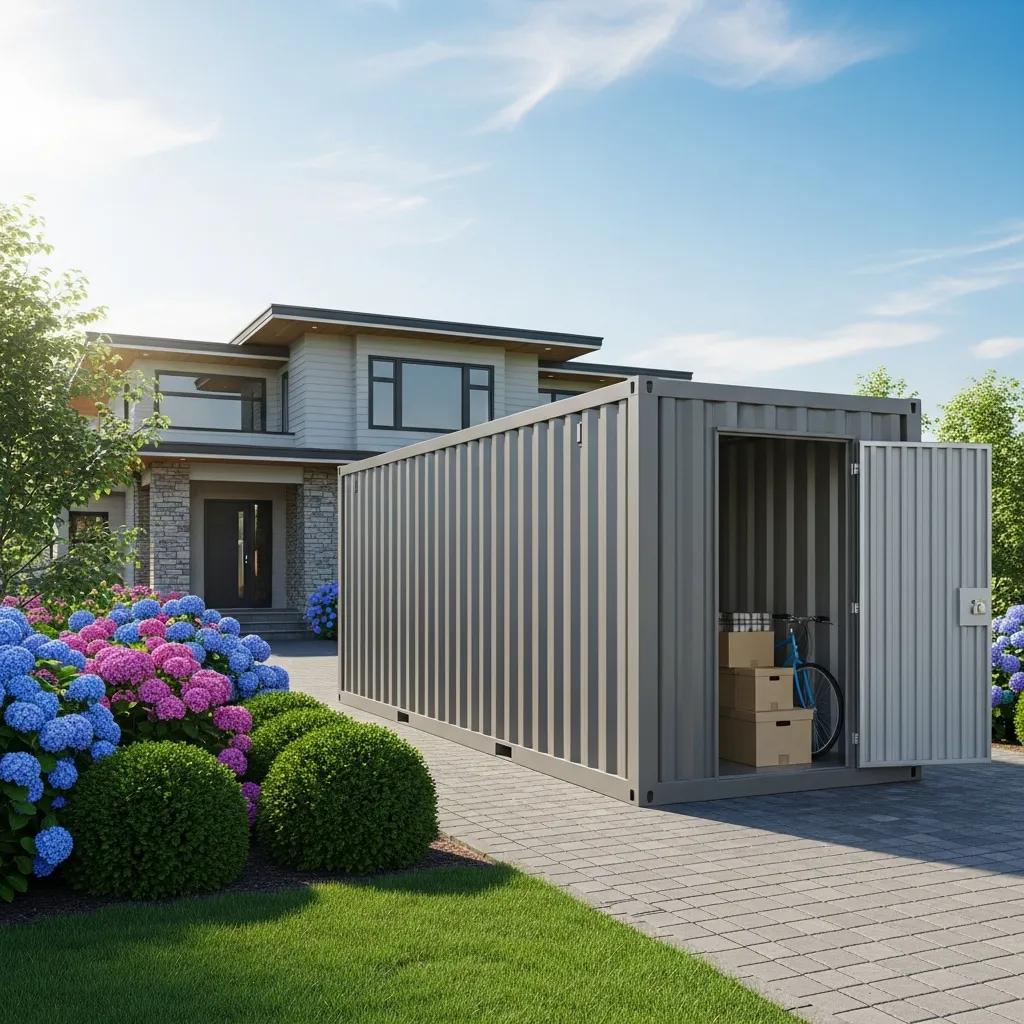
A portable storage container is a weather-resistant steel unit with a lockable door delivered to your location, enabling ground-level loading and secure storage until pickup or transport. Delivery typically uses a truck with a flatbed or tilt system that sets the container at ground level to avoid ramps and heavy lifting, and pickup reverses the process by placing the container back on the carrier for transport to a facility when required. On-site storage keeps the unit at your property for ongoing access, while off-site storage involves secure facility warehousing with climate control and perimeter security. Understanding these mechanics clarifies why container dimensions, door type, and ground placement matter when planning loading and scheduling.
Knowing how delivery and pickup operate helps you prepare the right surface, permits, and timing for smooth placement; the next section reviews the container sizes and feature choices that determine capacity and protection.
What Portable Storage Container Options Does Your Hometown Mover Offer?
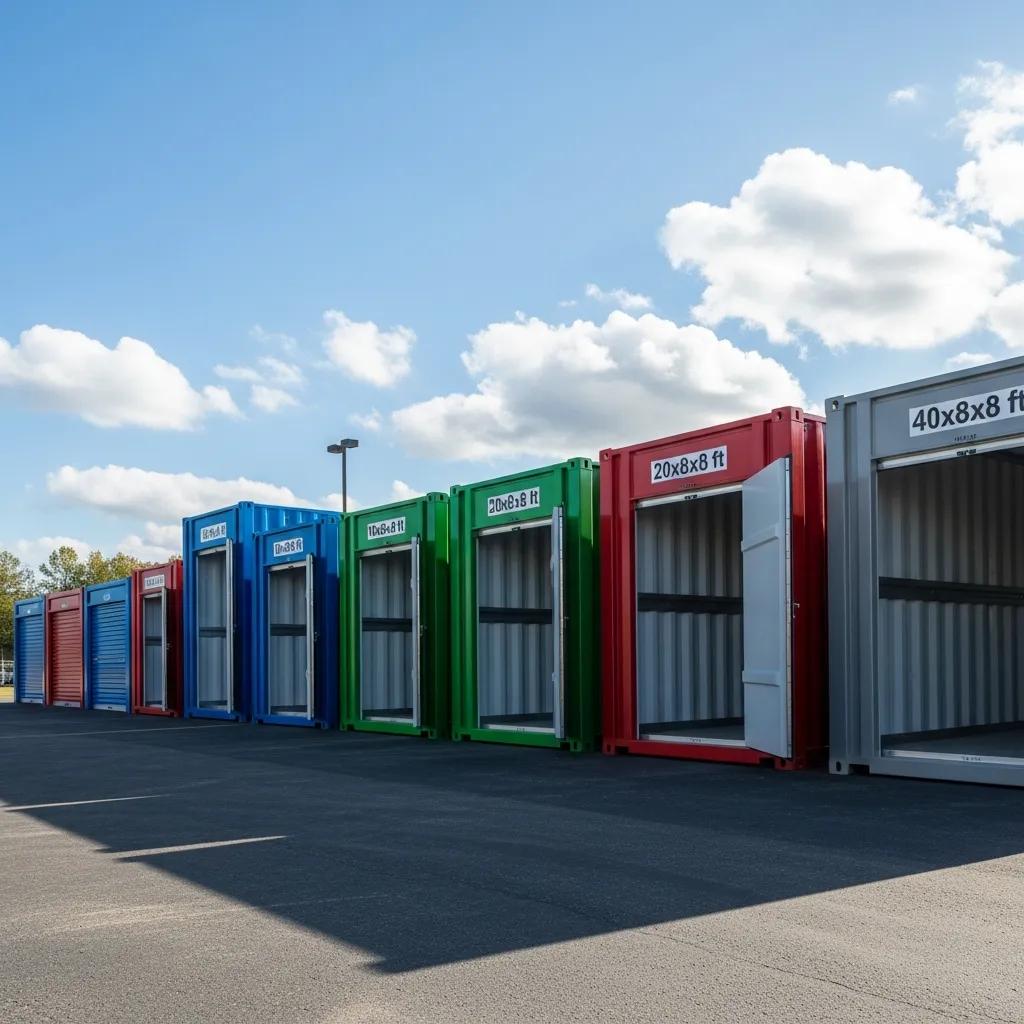
Choosing the right container depends on what you store, how long you need it, and whether you require climate control or enhanced security. Available options typically range across compact to large lengths and may include climate-controlled models for humidity- or temperature-sensitive items, and secure steel construction with recommended locking mechanisms for valuables. Selecting based on practical examples—studio, one-bedroom, or three-bedroom household moves—helps avoid over- or under-sizing, and integrated delivery and storage choices let you opt for on-site convenience or off-site facility storage with monitored access. For those wanting an example of an integrated option, Your Hometown Mover offers portable storage under their Storage Solutions line, highlighting reliable, climate-controlled storage for short-term or long-term needs while emphasizing reliability and professionalism.
Below is a comparison table to help match container sizes to typical uses and capacity so you can select the model that best fits your needs.
| Container Model | Dimensions (approx.) | Capacity / Ideal Use |
|---|---|---|
| Compact (12 ft) | ~12′ L × 8′ W × 8′ H | ~Studio to small one-bedroom; boxes, small furniture |
| Mid-size (16 ft) | ~16′ L × 8′ W × 8′ H | ~One to two-bedroom home; appliances and furnishings |
| Large (20 ft) | ~20′ L × 8′ W × 8′ H | ~Two to three-bedroom home; full-house moves or bulky items |
This table clarifies how length correlates with capacity and typical household fit, and the next subsection explains how to choose a size and offers practical loading tips to maximize space efficiency.
Which Container Sizes and Capacities Are Available?
Container lengths commonly offered include compact 12-foot units for small apartments, 16-foot mid-size units for typical one- to two-bedroom homes, and 20-foot units for larger households or commercial loads. Capacity guidance helps translate cubic feet into real-world recommendations; for example, a 12-foot unit suits studio moves and seasonal storage, while a 20-foot unit often accommodates a three-bedroom home’s furnishings when packed efficiently. To choose correctly, inventory your largest pieces first, then factor in boxed items and vertical packing to optimize cubic usage. Planning load order—heaviest items first, fragile items last—reduces shifting during transport and helps you avoid renting an unnecessarily large unit.
These sizing rules connect directly to security and protection choices, which the next subsection examines to help preserve sensitive belongings.
How Do Security Features and Climate Control Protect Your Belongings?
Security for portable storage combines physical hardware—steel walls, sturdy container doors, and high-quality lock mechanisms—with facility-level measures such as gated access, video surveillance, and on-site staff when stored off-site. Climate-controlled units maintain stable temperature and humidity ranges to protect wood furniture, paper records, musical instruments, and electronics from warping, mold, and corrosion that can occur with seasonal fluctuations. Recommended practices include using a disc-style padlock or closed-shackle lock for door protection, adding breathable covers for wooden pieces, and choosing climate control for long-term or climate-sensitive storage. Your Hometown Mover highlights climate-controlled portable storage in its service description to ensure peace of mind for customers who need extra protection.
A clear understanding of security and climate options leads into the practical sequence of renting and scheduling a container, which the next section details step by step.
How Does the Portable Storage Rental Process Work?
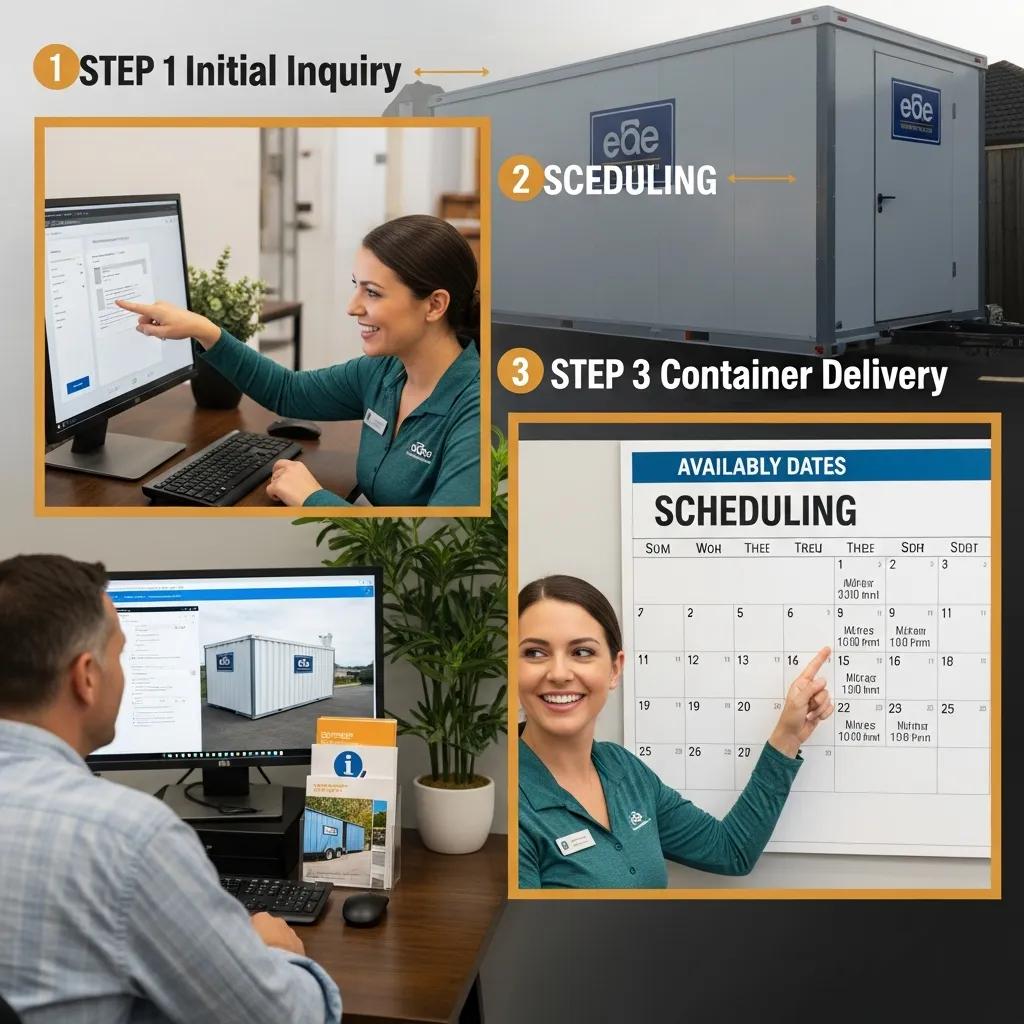
The portable storage rental lifecycle follows a simple sequence: request an estimate, schedule delivery, load at your pace, select on-site or off-site storage, and schedule final pickup or relocation. This process works because it separates physical loading from transport logistics, letting you manage time while the carrier handles placement and, if needed, transport to a monitored facility. Typical timelines include short lead times for delivery—often within a few days—while longer-term storage is handled with monthly billing and scheduled pickup windows. Clear coordination, an accurate inventory for quoting, and advance planning for permits or driveway placement all reduce delays and hidden costs.
Below is a numbered step-by-step guide that outlines how a typical rental flows from quote to return so you can visualize the timeline and required actions.
- Request an estimate by providing inventory, desired dates, and delivery address constraints.
- Schedule delivery and prepare a level, accessible placement area for the container.
- Load belongings at your pace using recommended packing and load-order strategies for safety.
- Choose on-site retention or arrange off-site secured storage and confirm pickup or relocation dates.
- Schedule pickup; carrier transports the container to final delivery or stores it until needed.
This stepwise flow demonstrates the core milestones and customer responsibilities, and the next subsection explains how to request an instant quote and what information speeds up the process.
How Can You Get an Instant Quote and Schedule Delivery?
Getting an accurate quote typically requires a simple inventory list, the delivery location and access notes, preferred delivery and pickup dates, and whether climate control or special handling is needed. Online estimate forms or phone-based quotes ask for largest item dimensions and the approximate number of boxed belongings to determine unit size and transport effort, and sharing photos of driveway access or placement areas expedites site assessment. Typical lead times depend on local availability and seasonality, so flexible dates can lower cost and increase scheduling options. Preparing a checklist with these details before requesting a quote speeds the response and yields a more precise price estimate.
With delivery scheduled, customers must decide between DIY packing and professional services, and the following subsection outlines packing, storage, and pickup choices to help you plan labor and supply needs.
What Are the Packing, Storage, and Pickup Options?
Packing choices range from fully DIY loading to hiring professional packers who wrap and secure items for transport, with hybrid options available for customers who want help with fragile or bulky pieces. Recommended supplies include sturdy moving boxes, moving blankets, ratchet straps, and a dolly; these items help stabilize loads and protect surfaces during transit. Storage choices affect access—on-site units allow repeated access while off-site facility storage typically provides move-in/move-out windows and monitored security—but both options can be combined with professional packing and full-service moving. For pickup, coordinate a clear timeline, confirm any necessary permits for street placement, and plan for final unpacking or relocation to minimize double-handling.
These operational choices naturally affect pricing and financing, which the next section examines to help you understand cost drivers and practical ways to manage budget.
What Are the Costs and Financing Options for Portable Storage Rentals?
Rental pricing depends primarily on container size, storage duration, delivery distance, and optional services such as climate control, professional packing, and insurance. Typical cost components include the base rental rate, delivery and pickup fees (which increase with distance or complex access), monthly storage fees at facilities, and optional insurance or declared-value protection. Understanding these components helps you request an itemized quote and compare offers without surprises, and longer-term commitments or bundled moving-and-storage packages often reduce per-month costs. Financing options can ease upfront burden; for example, Your Hometown Mover advertises a Move Now, Pay Later program with 0% APR to help customers start their move without paying the full amount immediately.
The following table breaks down common pricing components and provides typical value ranges so you can identify which factors will most influence your quote.
| Pricing Component | What It Covers | Typical Influence on Price |
|---|---|---|
| Base rental | Unit size and monthly rate | High; larger units cost more |
| Delivery / pickup fee | Transport distance and access | Medium; long distances increase fees |
| Climate control surcharge | Temperature/humidity regulation | Medium; required for sensitive items |
| Insurance / declared value | Protection for loss/damage | Low–Medium; optional but recommended |
This table clarifies where costs originate and which items to ask about when comparing quotes, and the next subsection lists specific factors that commonly change final pricing and how to avoid hidden fees.
What Factors Affect Rental Pricing and Are There Any Hidden Fees?
Several factors change the final rental price: the size of the container, duration of storage, distance between delivery and facility, access constraints that require special handling, and add-ons like climate control or professional packing. Hidden fees can include permit costs for street placement, weekend delivery premiums, or insurance deductibles if not discussed up front, so requesting an itemized quote and asking about additional charges is essential to avoid surprises. To reduce cost, consider flexible pickup dates, bundle moving services with storage, or choose on-site placement to eliminate transport fees to a facility. Always confirm the billing cadence—monthly versus prorated daily rates—and document what is included in the base price.
Having covered pricing drivers, the next subsection explains how Move Now, Pay Later financing typically works and what steps to take if you want to apply.
How Does the Move Now, Pay Later Financing Work?
Move Now, Pay Later financing spreads the upfront cost over time, reducing the initial cash outlay while allowing you to secure delivery and storage when needed; some programs offer promotional 0% APR periods for eligible customers. The basic mechanics require an application during booking, a credit decision or eligibility check, and agreement to a scheduled payment plan that covers the rental, delivery, and any selected services. This reduces upfront burden and can be particularly helpful for customers combining moving and storage services, but it’s wise to verify any deferred interest conditions and understand the payment schedule before committing. If you’re interested in financing, ask the provider for the application steps and documentation required to complete approval quickly.
Understanding cost and financing sets the stage for comparing integrated local providers with conventional alternative container providers, which the next section examines for decision-making guidance.
How Does Your Hometown Mover Compare to PODS and Other Competitors?
When evaluating container providers, compare on four key attributes: integrated moving services, pricing transparency, climate-control availability, and financing or guarantees that reduce customer risk. Some providers focus solely on container rental and transport, while others combine packing, labor, and full-service moving with storage for a single coordinated experience. Your Hometown Mover emphasizes integrated moving and storage solutions, licensed and insured operations, a MoveMatch Guarantee, and a Move Now, Pay Later financing option with 0% APR to make combined services simpler and more predictable for customers. These differentiators make integrated providers attractive for customers who prefer a single point of coordination rather than hiring separate movers and storage vendors.
Below is a comparison table mapping typical provider attributes to help you decide which model fits your priorities.
| Provider Type | Pricing Policy | Climate-Control | Integrated Moving Services | Financing / Guarantees |
|---|---|---|---|---|
| Integrated mover + storage | Transparent bundled quotes | Often available | Yes — packing, moving, storage | May offer financing and guarantees |
| Container-only provider | Per-day/month rates | Sometimes available | No — customer arranges movers | Limited financing options |
| Self-storage facility | Monthly units, drive-up | Often available | No | Typically no financing or moving bundles |
This comparison highlights how integrated providers can simplify logistics for complex moves, and the next subsection lists the unique advantages of choosing an integrated mover as practical benefits for customers.
What Unique Advantages Does Your Hometown Mover Provide?
Your Hometown Mover positions its portable storage offering as part of an integrated moving service that combines full-service moving, packing, and storage options to reduce transfers and coordination overhead. Practical benefits of this integration include a single point of accountability for damage prevention, simplified scheduling for delivery and pickup, and bundled options that may lower total cost compared with assembling separate vendors. The company also promotes reliability, professionalism, and affordability, is licensed and insured for added trust, and highlights a high customer satisfaction rating that reflects consistent service performance. These attributes are particularly valuable for customers managing large moves, sensitive inventories, or time-constrained relocations.
Understanding these provider-level differences helps you evaluate alternatives objectively, and the next subsection examines common alternative features and a checklist to guide selection.
What Are the Alternatives to PODS and Their Features?
Alternatives to integrated movers range from container-only rental companies to conventional self-storage operators; each has trade-offs in price, flexibility, and service scope. Container-only companies often offer simple per-unit pricing and wide geographic networks but require customers to hire local movers for loading and unloading, while self-storage facilities provide long-term storage with direct access but lack transport services. When evaluating alternatives, consider these decision criteria: whether you need full-service labor, whether climate control is required, how much coordination you want to manage, and the relative importance of local responsiveness. For straightforward short-term storage with minimal access needs, a container-only or self-storage approach may be cost-effective; for complex moves, integrated options typically reduce hassle.
A concise decision checklist below helps prioritize features based on typical move scenarios.
- Need single-vendor coordination: choose integrated mover + storage.
- Require frequent access: prefer on-site or drive-up self-storage.
- Want lowest base price and handle labor yourself: consider container-only rentals.
These criteria will help you select the provider type that matches your priorities, and the next section answers common operational questions to clear up lingering uncertainties.
What Are Common Questions About Portable Storage Container Rentals?
People often ask operational questions about permits, placement, and which use cases suit portable containers best; clear, direct answers reduce friction and help with planning. Addressing questions about property placement, HOA rules, and municipal regulations early prevents last-minute delays, and outlining typical use cases helps readers self-identify whether portable storage is appropriate for their project. Short, actionable guidance paired with prompts to request an itemized quote or site assessment resolves the most common barriers to booking and avoids misunderstandings about responsibilities during delivery and storage.
The next subsection covers placement rules and practical placement tips to ensure your unit is compliant and accessible.
Can I Keep a Portable Storage Container on My Property?
You can often keep a portable storage container on private property, but local rules, HOA covenants, and municipal ordinances may restrict placement, duration, or visibility; checking regulations before scheduling prevents fines or forced relocations. Practical placement tips include choosing a level surface, avoiding soft ground that could sink, ensuring clearance for delivery trucks, and confirming whether a permit or temporary street parking authorization is necessary for driveway or curbside placement. If in doubt, contact local authorities or your provider for guidance on permits and acceptable placement to ensure delivery goes smoothly. Preparing the site and verifying local rules reduces the chance of delivery delays or additional relocation charges.
Knowing where to place the unit feeds into selecting the correct use case, which the next subsection outlines with illustrative scenarios.
What Are Typical Use Cases for Portable Storage Containers?
Portable storage containers are commonly used for residential moves, home renovations, decluttering before staging, seasonal overflow storage, and commercial needs such as jobsite materials or inventory overflow. For moves, containers allow staged loading and reduce the need for tight scheduling with full-service movers, while renovation projects benefit from onsite containment of furniture and finishes. Commercial customers use containers for temporary inventory staging, secure equipment storage, or between-lease storage during space transitions. Short scenario vignettes—moving a three-bedroom house, protecting furniture during kitchen remodeling, or storing seasonal retail stock—help match the solution to the task.
These use-case examples complete the topical coverage needed to plan a portable storage rental, and the article ends here with practical guidance for next steps and decision-making support.
Frequently Asked Questions
What should I consider when choosing a portable storage container rental company?
When selecting a portable storage container rental company, consider factors such as the range of container sizes available, pricing transparency, and customer service quality. Look for companies that offer integrated services, including packing and moving, as this can simplify logistics. Additionally, check for climate-controlled options if you have sensitive items, and inquire about financing options that can ease upfront costs. Reading customer reviews and comparing quotes from multiple providers can also help you make an informed decision.
How do I prepare my property for a portable storage container delivery?
To prepare your property for a portable storage container delivery, ensure you have a level, accessible area that can accommodate the container’s size. Clear any obstacles, such as vehicles or debris, and check for adequate clearance for delivery trucks. It’s also important to verify local regulations regarding permits or restrictions on container placement. If necessary, contact your provider for guidance on site preparation to ensure a smooth delivery process.
Can I access my portable storage container at any time?
Access to your portable storage container depends on whether you choose on-site or off-site storage. If the container is on your property, you can access it at any time, allowing for flexible loading and unloading. However, if you opt for off-site storage, access may be limited to specific hours or require scheduling with the storage facility. Always confirm access policies with your provider to ensure they meet your needs.
What items should not be stored in a portable storage container?
While portable storage containers are versatile, certain items should not be stored in them. Hazardous materials, such as chemicals, flammable substances, and perishable food items, are typically prohibited due to safety regulations. Additionally, items that require climate control, like sensitive electronics or artwork, should be stored in climate-controlled units. Always check with your rental provider for a complete list of prohibited items to avoid potential issues.
How can I maximize space when loading my portable storage container?
To maximize space in your portable storage container, start by loading the heaviest items first, placing them at the bottom and towards the back. Use boxes to stack lighter items on top, and fill any gaps with smaller items or soft goods like blankets. Disassemble larger furniture when possible to save space, and use vertical packing techniques to optimize cubic usage. Planning your load order and using sturdy packing materials will help ensure everything fits securely.
What happens if I need to extend my rental period?
If you need to extend your rental period for a portable storage container, contact your rental provider as soon as possible. Most companies allow for extensions, but it’s important to confirm availability and any additional costs associated with the extended rental. Be aware that extending your rental may also affect your billing cycle, so clarify any changes to your payment schedule to avoid surprises.
Are there insurance options available for my belongings in the container?
Yes, many portable storage container rental companies offer insurance options to protect your belongings during storage and transport. This can include coverage for loss or damage due to theft, accidents, or natural disasters. It’s advisable to inquire about the types of insurance available, the coverage limits, and any associated costs. Additionally, check if your homeowner’s or renter’s insurance policy covers items stored in a portable container, as this may provide additional protection.
Conclusion
Portable storage container rentals offer unparalleled flexibility, security, and convenience for your moving and storage needs. By choosing the right container size and features, you can ensure your belongings are protected while maintaining easy access. Take the next step towards a hassle-free experience by exploring our range of portable storage solutions today. Trust Your Hometown Mover to provide reliable service tailored to your unique requirements.